
Erfurt
Johannesstraße 169, 99084 Erfurt-Altstadt, Deutschland
City Museum Erfurt House of the Stockfish | Tickets & Opening Hours
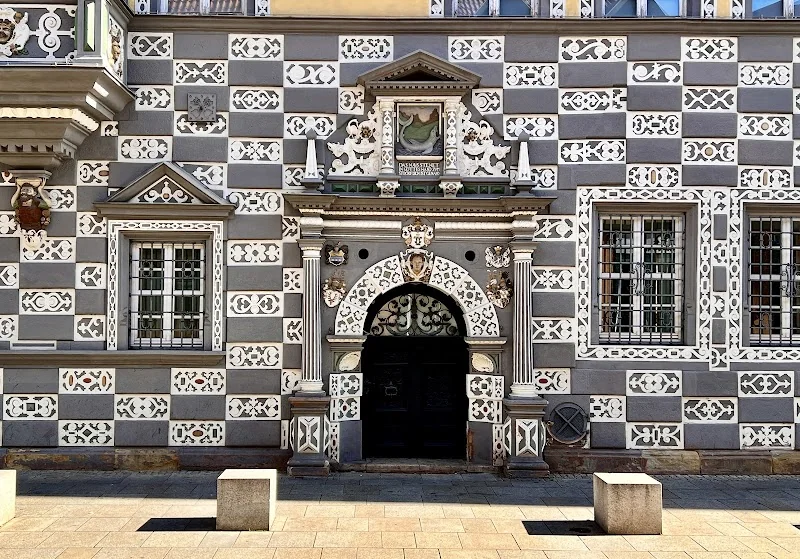
The City Museum Erfurt in the House of the Stockfish is not just a museum, but an authentic place of city history. In the historic Waidhändlerhaus from 1607, Renaissance architecture, bourgeois trading tradition, and modern communication come together. Those who enter the house on Johannesstraße experience 1275 years of Erfurt's history, from the medieval city through the Reformation to the present day. The museum is centrally located in the old town, opens from Tuesday to Sunday from 10 am to 6 pm, offers reduced admission prices, and features both permanent exhibitions and changing special exhibitions. Particularly striking are the reconstructed chessboard facade, the richly decorated portal, and the house sign of the Stockfish, which make the building unmistakable from the outside. For visitors, the house is thus equally a sight, an exhibition venue, and a good starting point for further discoveries in Erfurt. ([geschichtsmuseen.erfurt.de](https://geschichtsmuseen.erfurt.de/stadtmuseum))
Opening Hours, Tickets, and Current Visitor Information
The visitor information is clear and practical: The City Museum is closed on Mondays, and from Tuesday to Sunday it is open from 10 am to 6 pm, even on public holidays. Adults pay 6.00 euros, and the reduced admission is 4.00 euros. Additionally, there is an attractive bonus for those who plan flexibly: Every first Tuesday of the month, the municipal museums are open free of charge. So, if you come to the old town spontaneously, you can easily combine the visit with a stroll through the city center and save on admission costs. This structure is pleasantly uncomplicated, especially for families, school classes, cultural travelers, and anyone interested in Erfurt's history. The mix of stable opening hours, fair prices, and a central location makes the museum a easily planable stop on the city tour. ([geschichtsmuseen.erfurt.de](https://geschichtsmuseen.erfurt.de/stadtmuseum))
Content-wise, the house is lively and curated in a changing manner. In 2026, the City Museum will showcase the special exhibition Love – Achievement – Passion. Sports City Erfurt, which runs from April 29, 2026, to May 23, 2027. Additional special themes include the Rebstockpokal, a unique medieval artifact in Europe, as well as The Forgotten Parliament. 175 Years of the Erfurt Union Parliament 1850, which will be on display until the end of 2026. This means for visitors: A visit is worthwhile not only because of the permanent presentation but also because the program regularly creates new occasions to return. Those who want to experience exhibitions, city history, and current topics together will find a combination here that is excellent for half a day in Erfurt. ([geschichtsmuseen.erfurt.de](https://geschichtsmuseen.erfurt.de/stadtmuseum))
For practical planning, it is advisable to allocate enough time for the visit. The City Museum is not a place for a quick walkthrough, but a house where architecture, history, and communication intertwine. Those interested in details can look forward to changing exhibitions, the museum cinema, and the various levels of the house. Since the museum is centrally located, the visit can also be easily combined with a walk through the old town, a detour to the Anger, or with other museums in Erfurt. The combination of a compact location and content depth makes the house attractive for visitors who are looking for a well-founded view of the city's history in addition to well-known sights. ([geschichtsmuseen.erfurt.de](https://geschichtsmuseen.erfurt.de/stadtmuseum))
Directions, Parking, and Location on Johannesstraße
The exact address is Johannesstraße 169, 99084 Erfurt. This places the museum in a very accessible city center location, just a few minutes' walk from the old town and the urban center around the Anger. The official visitor information states that the public transport connections are the tram lines 1 and 5 to the stop Stadtmuseum/Kaisersaal. Those arriving by car are directed to the parking lot at Juri-Gagarin-Ring; from there, it is about a five-minute walk to the museum. For travel, this means: The house is central enough to be reached without complicated directions, yet embedded in the city structure so that the museum visit can be easily combined with other routes. ([geschichtsmuseen.erfurt.de](https://geschichtsmuseen.erfurt.de/stadtmuseum))
Regarding parking, the proximity to Juri-Gagarin-Ring is particularly helpful. The official site explicitly names this parking lot as a practical option for visitors heading to the city center. Additionally, two disabled parking spaces are designated in front of the savings bank near the museum. This is an important plus for anyone with limited mobility. For the walk, the location is urban but clear, and the museum can be quickly reached in just a few minutes from the busy ring road. Those staying overnight in Erfurt or using public transport benefit even more from the central location, as the visit can be easily integrated into a larger tour of the old town. ([geschichtsmuseen.erfurt.de](https://geschichtsmuseen.erfurt.de/stadtmuseum))
The position on Johannesstraße also makes the house visually easy to find. The historic building stands out with its decorative facade from the surroundings and appears as an independent destination in the street space. This is particularly important for first-time visitors, as there are no long paths or remote access routes to expect. The combination of a central location, clear stop, and available parking options facilitates both spontaneous visits and planned program days. Those exploring Erfurt as part of a city trip can therefore use the museum as a fixed anchor point in their daily schedule and then walk to other places in the old town. ([geschichtsmuseen.erfurt.de](https://geschichtsmuseen.erfurt.de/stadtmuseum))
History, Architecture, and Photos of the House of the Stockfish
The current museum building was created in 1607 as the Waidhändlerhaus Zum Stockfisch. This origin already reveals much about Erfurt's early modern trading world, in which woad played an important economic role as a dye plant. The building is therefore not just any historical framework but itself a central monument of the city's history. The museum's sources also make it clear that the name Zum Stockfisch was already associated with older predecessor buildings and that the area was located in an exciting urban tension field: outside the medieval core but within the city fortifications. This is significant for visitors because the house not only shows content about Erfurt but also tells a piece of Erfurt itself. It is precisely this authenticity that makes the charm of the place. ([geschichtsmuseen.erfurt.de](https://geschichtsmuseen.erfurt.de/gm/de/museen/stadtmuseum/geschichte/index.html))
Particularly impressive is the architecture of the 17th century. The official house history describes the building as an important architectural monument of the late Renaissance in Erfurt. The chessboard design of the ground floor zone with protruding and recessed stone blocks is striking, along with a richly decorated portal, a two-story bay window with a decorative gable, and the house sign of the Stockfish above the entrance. The inscription The house stands in God's hand to the Stockfish is also part of the unmistakable appearance. For photography enthusiasts, this is a strong address, as the facade not only provides a beautiful motif but also a readable story in stone. Anyone who sees the building immediately recognizes why it is counted among the most distinctive historical houses in the city. ([geschichtsmuseen.erfurt.de](https://geschichtsmuseen.erfurt.de/gm/de/museen/stadtmuseum/geschichte/index.html))
Over the centuries, the house changed owners and uses several times. In the 17th and 18th centuries, there were Baroque renovations inside, and in the 19th century, changes followed due to new commercial uses such as leather processing, coat manufacturing, and wine wholesale. In 1905, the city of Erfurt purchased the house and initially housed a decorative arts collection. Later, the Natural History Museum and other institutions also used rooms in the building before the newly founded Museum of Erfurt City History found its home here after 1965. The first exhibition of the new museum opened in 1974, and since several renovation phases, the house's historical impact has been further secured. Thus, economic, construction, and museum history are combined in a single building. ([geschichtsmuseen.erfurt.de](https://geschichtsmuseen.erfurt.de/gm/de/museen/stadtmuseum/geschichte/index.html))
Exhibitions, Permanent Displays, and Museum Cinema
The current program of the City Museum shows that the house goes far beyond a classic local museum. On the ground floor, the presentation is dedicated to the Crazy Years and thus to Erfurt's and European history on the eve of the Reformation. The first floor highlights the urban and social change of the 19th century, including the special exhibition Erfurt Unleashed and the exhibition The Forgotten Parliament. 175 Years of the Erfurt Union Parliament 1850. Currently, the second floor focuses on sports history, as the exhibition Love – Achievement – Passion. Sports City Erfurt is running there. The museum thus relies on strong thematic fields that complement each other: Reformation, democracy history, urban development, and sports. ([geschichtsmuseen.erfurt.de](https://geschichtsmuseen.erfurt.de/stadtmuseum))
In the historic vaulted cellar, the museum opens another narrative space with Navel of the World – Erfurt's Archaeological Treasures, which makes the city's history tangible through finds and material evidence. This mix of ground floor, upper floors, and cellar is interesting from an SEO perspective and from a visitor's perspective because it serves multiple search intentions: exhibition, program, architecture, and special theme in one place. Additionally, the official museum site refers to the museum cinema on the second floor, which offers historical city views and an overview of urban development. For visitors, this is a real added value, as the museum not only displays objects but also provides orientation. It becomes understandable how Erfurt has developed from a medieval trading place to today's state capital. ([geschichtsmuseen.erfurt.de](https://geschichtsmuseen.erfurt.de/gm/de/museen/stadtmuseum/geschichte/index.html))
The extended offer of the house also includes the ancillary facilities of the City Museum, including the Printing Museum in the Benary-Speicher, the air raid shelter, and the Bartholomew Tower. This shows that a visit to the House of the Stockfish is not considered in isolation but is part of a larger network of city historical sites in Erfurt. Those who want to delve deeper can expand their museum day and experience various facets of the city's history at several locations. This networking is attractive for culture-interested travelers, school groups, and locals because it directs the view beyond a single building to an entire historical system. ([geschichtsmuseen.erfurt.de](https://geschichtsmuseen.erfurt.de/gm/de/museen/stadtmuseum/geschichte/index.html))
Accessibility, Photos, Service, and Visitor Tips
Even regarding accessibility, the official visitor information provides clear guidance. The foyer and exhibition rooms on the ground floor are accessible at ground level; however, there are eight steps leading to the elevator. The exhibition rooms on the first and second floors as well as the cellar are not accessible for wheelchair users; however, there is a disabled toilet on the ground floor. On-site, there are also two disabled parking spaces near the museum. For guests with limited mobility, the ground-level access and short distances to the ground floor are also helpful. This is not complete accessibility, but a transparent and easily understandable information that facilitates visit planning. ([geschichtsmuseen.erfurt.de](https://geschichtsmuseen.erfurt.de/stadtmuseum))
Those looking for photos of the City Museum Erfurt House of the Stockfish will find particularly strong exterior views: the reconstructed chessboard facade, the detailed portal, the two-story bay window, and the house sign with the Stockfish. These elements make the building one of the most photogenic houses in the Erfurt old town. For seekers who want to get an idea before the visit, this is important because the house clearly shows from the outside that there are not only exhibitions but also architectural history to experience. The official house history documents these details and makes it understandable why the building is considered a late Renaissance architectural monument. So, those looking for inspiring motifs, historical substance, and an unmistakable cityscape will quickly find what they are looking for here. ([geschichtsmuseen.erfurt.de](https://geschichtsmuseen.erfurt.de/gm/de/museen/stadtmuseum/geschichte/index.html))
For users looking for tickets or program information, the official museum site is the most reliable starting point. There, not only opening hours and admission prices are listed, but also current exhibitions and thematic focuses are compiled. Those planning last minute should take a look at the latest program situation before the visit, as special exhibitions can change throughout the year. This way, disappointments can be avoided, and the tour can be specifically tailored to one's interests, such as Reformation, democracy history, sports, or archaeology. Especially in conjunction with the city center location, the museum can thus be flexibly used as a day destination or as a short cultural stop. ([geschichtsmuseen.erfurt.de](https://geschichtsmuseen.erfurt.de/stadtmuseum))
In the end, the visit is particularly worthwhile for those who want to not only see Erfurt but also understand it. The City Museum offers short distances, a central location, changing themes, solid visitor information, and a strongly architectural environment. Those who plan their stay well can connect history, architecture, and city life in the same tour. Because the house works densely both in content and spatially, it unfolds its effect best with some time. For families, history enthusiasts, tourists, and locals, the City Museum Erfurt is therefore an address that can be rediscovered time and again. ([geschichtsmuseen.erfurt.de](https://geschichtsmuseen.erfurt.de/stadtmuseum))
Sources:
Show moreShow less
City Museum Erfurt House of the Stockfish | Tickets & Opening Hours
The City Museum Erfurt in the House of the Stockfish is not just a museum, but an authentic place of city history. In the historic Waidhändlerhaus from 1607, Renaissance architecture, bourgeois trading tradition, and modern communication come together. Those who enter the house on Johannesstraße experience 1275 years of Erfurt's history, from the medieval city through the Reformation to the present day. The museum is centrally located in the old town, opens from Tuesday to Sunday from 10 am to 6 pm, offers reduced admission prices, and features both permanent exhibitions and changing special exhibitions. Particularly striking are the reconstructed chessboard facade, the richly decorated portal, and the house sign of the Stockfish, which make the building unmistakable from the outside. For visitors, the house is thus equally a sight, an exhibition venue, and a good starting point for further discoveries in Erfurt. ([geschichtsmuseen.erfurt.de](https://geschichtsmuseen.erfurt.de/stadtmuseum))
Opening Hours, Tickets, and Current Visitor Information
The visitor information is clear and practical: The City Museum is closed on Mondays, and from Tuesday to Sunday it is open from 10 am to 6 pm, even on public holidays. Adults pay 6.00 euros, and the reduced admission is 4.00 euros. Additionally, there is an attractive bonus for those who plan flexibly: Every first Tuesday of the month, the municipal museums are open free of charge. So, if you come to the old town spontaneously, you can easily combine the visit with a stroll through the city center and save on admission costs. This structure is pleasantly uncomplicated, especially for families, school classes, cultural travelers, and anyone interested in Erfurt's history. The mix of stable opening hours, fair prices, and a central location makes the museum a easily planable stop on the city tour. ([geschichtsmuseen.erfurt.de](https://geschichtsmuseen.erfurt.de/stadtmuseum))
Content-wise, the house is lively and curated in a changing manner. In 2026, the City Museum will showcase the special exhibition Love – Achievement – Passion. Sports City Erfurt, which runs from April 29, 2026, to May 23, 2027. Additional special themes include the Rebstockpokal, a unique medieval artifact in Europe, as well as The Forgotten Parliament. 175 Years of the Erfurt Union Parliament 1850, which will be on display until the end of 2026. This means for visitors: A visit is worthwhile not only because of the permanent presentation but also because the program regularly creates new occasions to return. Those who want to experience exhibitions, city history, and current topics together will find a combination here that is excellent for half a day in Erfurt. ([geschichtsmuseen.erfurt.de](https://geschichtsmuseen.erfurt.de/stadtmuseum))
For practical planning, it is advisable to allocate enough time for the visit. The City Museum is not a place for a quick walkthrough, but a house where architecture, history, and communication intertwine. Those interested in details can look forward to changing exhibitions, the museum cinema, and the various levels of the house. Since the museum is centrally located, the visit can also be easily combined with a walk through the old town, a detour to the Anger, or with other museums in Erfurt. The combination of a compact location and content depth makes the house attractive for visitors who are looking for a well-founded view of the city's history in addition to well-known sights. ([geschichtsmuseen.erfurt.de](https://geschichtsmuseen.erfurt.de/stadtmuseum))
Directions, Parking, and Location on Johannesstraße
The exact address is Johannesstraße 169, 99084 Erfurt. This places the museum in a very accessible city center location, just a few minutes' walk from the old town and the urban center around the Anger. The official visitor information states that the public transport connections are the tram lines 1 and 5 to the stop Stadtmuseum/Kaisersaal. Those arriving by car are directed to the parking lot at Juri-Gagarin-Ring; from there, it is about a five-minute walk to the museum. For travel, this means: The house is central enough to be reached without complicated directions, yet embedded in the city structure so that the museum visit can be easily combined with other routes. ([geschichtsmuseen.erfurt.de](https://geschichtsmuseen.erfurt.de/stadtmuseum))
Regarding parking, the proximity to Juri-Gagarin-Ring is particularly helpful. The official site explicitly names this parking lot as a practical option for visitors heading to the city center. Additionally, two disabled parking spaces are designated in front of the savings bank near the museum. This is an important plus for anyone with limited mobility. For the walk, the location is urban but clear, and the museum can be quickly reached in just a few minutes from the busy ring road. Those staying overnight in Erfurt or using public transport benefit even more from the central location, as the visit can be easily integrated into a larger tour of the old town. ([geschichtsmuseen.erfurt.de](https://geschichtsmuseen.erfurt.de/stadtmuseum))
The position on Johannesstraße also makes the house visually easy to find. The historic building stands out with its decorative facade from the surroundings and appears as an independent destination in the street space. This is particularly important for first-time visitors, as there are no long paths or remote access routes to expect. The combination of a central location, clear stop, and available parking options facilitates both spontaneous visits and planned program days. Those exploring Erfurt as part of a city trip can therefore use the museum as a fixed anchor point in their daily schedule and then walk to other places in the old town. ([geschichtsmuseen.erfurt.de](https://geschichtsmuseen.erfurt.de/stadtmuseum))
History, Architecture, and Photos of the House of the Stockfish
The current museum building was created in 1607 as the Waidhändlerhaus Zum Stockfisch. This origin already reveals much about Erfurt's early modern trading world, in which woad played an important economic role as a dye plant. The building is therefore not just any historical framework but itself a central monument of the city's history. The museum's sources also make it clear that the name Zum Stockfisch was already associated with older predecessor buildings and that the area was located in an exciting urban tension field: outside the medieval core but within the city fortifications. This is significant for visitors because the house not only shows content about Erfurt but also tells a piece of Erfurt itself. It is precisely this authenticity that makes the charm of the place. ([geschichtsmuseen.erfurt.de](https://geschichtsmuseen.erfurt.de/gm/de/museen/stadtmuseum/geschichte/index.html))
Particularly impressive is the architecture of the 17th century. The official house history describes the building as an important architectural monument of the late Renaissance in Erfurt. The chessboard design of the ground floor zone with protruding and recessed stone blocks is striking, along with a richly decorated portal, a two-story bay window with a decorative gable, and the house sign of the Stockfish above the entrance. The inscription The house stands in God's hand to the Stockfish is also part of the unmistakable appearance. For photography enthusiasts, this is a strong address, as the facade not only provides a beautiful motif but also a readable story in stone. Anyone who sees the building immediately recognizes why it is counted among the most distinctive historical houses in the city. ([geschichtsmuseen.erfurt.de](https://geschichtsmuseen.erfurt.de/gm/de/museen/stadtmuseum/geschichte/index.html))
Over the centuries, the house changed owners and uses several times. In the 17th and 18th centuries, there were Baroque renovations inside, and in the 19th century, changes followed due to new commercial uses such as leather processing, coat manufacturing, and wine wholesale. In 1905, the city of Erfurt purchased the house and initially housed a decorative arts collection. Later, the Natural History Museum and other institutions also used rooms in the building before the newly founded Museum of Erfurt City History found its home here after 1965. The first exhibition of the new museum opened in 1974, and since several renovation phases, the house's historical impact has been further secured. Thus, economic, construction, and museum history are combined in a single building. ([geschichtsmuseen.erfurt.de](https://geschichtsmuseen.erfurt.de/gm/de/museen/stadtmuseum/geschichte/index.html))
Exhibitions, Permanent Displays, and Museum Cinema
The current program of the City Museum shows that the house goes far beyond a classic local museum. On the ground floor, the presentation is dedicated to the Crazy Years and thus to Erfurt's and European history on the eve of the Reformation. The first floor highlights the urban and social change of the 19th century, including the special exhibition Erfurt Unleashed and the exhibition The Forgotten Parliament. 175 Years of the Erfurt Union Parliament 1850. Currently, the second floor focuses on sports history, as the exhibition Love – Achievement – Passion. Sports City Erfurt is running there. The museum thus relies on strong thematic fields that complement each other: Reformation, democracy history, urban development, and sports. ([geschichtsmuseen.erfurt.de](https://geschichtsmuseen.erfurt.de/stadtmuseum))
In the historic vaulted cellar, the museum opens another narrative space with Navel of the World – Erfurt's Archaeological Treasures, which makes the city's history tangible through finds and material evidence. This mix of ground floor, upper floors, and cellar is interesting from an SEO perspective and from a visitor's perspective because it serves multiple search intentions: exhibition, program, architecture, and special theme in one place. Additionally, the official museum site refers to the museum cinema on the second floor, which offers historical city views and an overview of urban development. For visitors, this is a real added value, as the museum not only displays objects but also provides orientation. It becomes understandable how Erfurt has developed from a medieval trading place to today's state capital. ([geschichtsmuseen.erfurt.de](https://geschichtsmuseen.erfurt.de/gm/de/museen/stadtmuseum/geschichte/index.html))
The extended offer of the house also includes the ancillary facilities of the City Museum, including the Printing Museum in the Benary-Speicher, the air raid shelter, and the Bartholomew Tower. This shows that a visit to the House of the Stockfish is not considered in isolation but is part of a larger network of city historical sites in Erfurt. Those who want to delve deeper can expand their museum day and experience various facets of the city's history at several locations. This networking is attractive for culture-interested travelers, school groups, and locals because it directs the view beyond a single building to an entire historical system. ([geschichtsmuseen.erfurt.de](https://geschichtsmuseen.erfurt.de/gm/de/museen/stadtmuseum/geschichte/index.html))
Accessibility, Photos, Service, and Visitor Tips
Even regarding accessibility, the official visitor information provides clear guidance. The foyer and exhibition rooms on the ground floor are accessible at ground level; however, there are eight steps leading to the elevator. The exhibition rooms on the first and second floors as well as the cellar are not accessible for wheelchair users; however, there is a disabled toilet on the ground floor. On-site, there are also two disabled parking spaces near the museum. For guests with limited mobility, the ground-level access and short distances to the ground floor are also helpful. This is not complete accessibility, but a transparent and easily understandable information that facilitates visit planning. ([geschichtsmuseen.erfurt.de](https://geschichtsmuseen.erfurt.de/stadtmuseum))
Those looking for photos of the City Museum Erfurt House of the Stockfish will find particularly strong exterior views: the reconstructed chessboard facade, the detailed portal, the two-story bay window, and the house sign with the Stockfish. These elements make the building one of the most photogenic houses in the Erfurt old town. For seekers who want to get an idea before the visit, this is important because the house clearly shows from the outside that there are not only exhibitions but also architectural history to experience. The official house history documents these details and makes it understandable why the building is considered a late Renaissance architectural monument. So, those looking for inspiring motifs, historical substance, and an unmistakable cityscape will quickly find what they are looking for here. ([geschichtsmuseen.erfurt.de](https://geschichtsmuseen.erfurt.de/gm/de/museen/stadtmuseum/geschichte/index.html))
For users looking for tickets or program information, the official museum site is the most reliable starting point. There, not only opening hours and admission prices are listed, but also current exhibitions and thematic focuses are compiled. Those planning last minute should take a look at the latest program situation before the visit, as special exhibitions can change throughout the year. This way, disappointments can be avoided, and the tour can be specifically tailored to one's interests, such as Reformation, democracy history, sports, or archaeology. Especially in conjunction with the city center location, the museum can thus be flexibly used as a day destination or as a short cultural stop. ([geschichtsmuseen.erfurt.de](https://geschichtsmuseen.erfurt.de/stadtmuseum))
In the end, the visit is particularly worthwhile for those who want to not only see Erfurt but also understand it. The City Museum offers short distances, a central location, changing themes, solid visitor information, and a strongly architectural environment. Those who plan their stay well can connect history, architecture, and city life in the same tour. Because the house works densely both in content and spatially, it unfolds its effect best with some time. For families, history enthusiasts, tourists, and locals, the City Museum Erfurt is therefore an address that can be rediscovered time and again. ([geschichtsmuseen.erfurt.de](https://geschichtsmuseen.erfurt.de/stadtmuseum))
Sources:
City Museum Erfurt House of the Stockfish | Tickets & Opening Hours
The City Museum Erfurt in the House of the Stockfish is not just a museum, but an authentic place of city history. In the historic Waidhändlerhaus from 1607, Renaissance architecture, bourgeois trading tradition, and modern communication come together. Those who enter the house on Johannesstraße experience 1275 years of Erfurt's history, from the medieval city through the Reformation to the present day. The museum is centrally located in the old town, opens from Tuesday to Sunday from 10 am to 6 pm, offers reduced admission prices, and features both permanent exhibitions and changing special exhibitions. Particularly striking are the reconstructed chessboard facade, the richly decorated portal, and the house sign of the Stockfish, which make the building unmistakable from the outside. For visitors, the house is thus equally a sight, an exhibition venue, and a good starting point for further discoveries in Erfurt. ([geschichtsmuseen.erfurt.de](https://geschichtsmuseen.erfurt.de/stadtmuseum))
Opening Hours, Tickets, and Current Visitor Information
The visitor information is clear and practical: The City Museum is closed on Mondays, and from Tuesday to Sunday it is open from 10 am to 6 pm, even on public holidays. Adults pay 6.00 euros, and the reduced admission is 4.00 euros. Additionally, there is an attractive bonus for those who plan flexibly: Every first Tuesday of the month, the municipal museums are open free of charge. So, if you come to the old town spontaneously, you can easily combine the visit with a stroll through the city center and save on admission costs. This structure is pleasantly uncomplicated, especially for families, school classes, cultural travelers, and anyone interested in Erfurt's history. The mix of stable opening hours, fair prices, and a central location makes the museum a easily planable stop on the city tour. ([geschichtsmuseen.erfurt.de](https://geschichtsmuseen.erfurt.de/stadtmuseum))
Content-wise, the house is lively and curated in a changing manner. In 2026, the City Museum will showcase the special exhibition Love – Achievement – Passion. Sports City Erfurt, which runs from April 29, 2026, to May 23, 2027. Additional special themes include the Rebstockpokal, a unique medieval artifact in Europe, as well as The Forgotten Parliament. 175 Years of the Erfurt Union Parliament 1850, which will be on display until the end of 2026. This means for visitors: A visit is worthwhile not only because of the permanent presentation but also because the program regularly creates new occasions to return. Those who want to experience exhibitions, city history, and current topics together will find a combination here that is excellent for half a day in Erfurt. ([geschichtsmuseen.erfurt.de](https://geschichtsmuseen.erfurt.de/stadtmuseum))
For practical planning, it is advisable to allocate enough time for the visit. The City Museum is not a place for a quick walkthrough, but a house where architecture, history, and communication intertwine. Those interested in details can look forward to changing exhibitions, the museum cinema, and the various levels of the house. Since the museum is centrally located, the visit can also be easily combined with a walk through the old town, a detour to the Anger, or with other museums in Erfurt. The combination of a compact location and content depth makes the house attractive for visitors who are looking for a well-founded view of the city's history in addition to well-known sights. ([geschichtsmuseen.erfurt.de](https://geschichtsmuseen.erfurt.de/stadtmuseum))
Directions, Parking, and Location on Johannesstraße
The exact address is Johannesstraße 169, 99084 Erfurt. This places the museum in a very accessible city center location, just a few minutes' walk from the old town and the urban center around the Anger. The official visitor information states that the public transport connections are the tram lines 1 and 5 to the stop Stadtmuseum/Kaisersaal. Those arriving by car are directed to the parking lot at Juri-Gagarin-Ring; from there, it is about a five-minute walk to the museum. For travel, this means: The house is central enough to be reached without complicated directions, yet embedded in the city structure so that the museum visit can be easily combined with other routes. ([geschichtsmuseen.erfurt.de](https://geschichtsmuseen.erfurt.de/stadtmuseum))
Regarding parking, the proximity to Juri-Gagarin-Ring is particularly helpful. The official site explicitly names this parking lot as a practical option for visitors heading to the city center. Additionally, two disabled parking spaces are designated in front of the savings bank near the museum. This is an important plus for anyone with limited mobility. For the walk, the location is urban but clear, and the museum can be quickly reached in just a few minutes from the busy ring road. Those staying overnight in Erfurt or using public transport benefit even more from the central location, as the visit can be easily integrated into a larger tour of the old town. ([geschichtsmuseen.erfurt.de](https://geschichtsmuseen.erfurt.de/stadtmuseum))
The position on Johannesstraße also makes the house visually easy to find. The historic building stands out with its decorative facade from the surroundings and appears as an independent destination in the street space. This is particularly important for first-time visitors, as there are no long paths or remote access routes to expect. The combination of a central location, clear stop, and available parking options facilitates both spontaneous visits and planned program days. Those exploring Erfurt as part of a city trip can therefore use the museum as a fixed anchor point in their daily schedule and then walk to other places in the old town. ([geschichtsmuseen.erfurt.de](https://geschichtsmuseen.erfurt.de/stadtmuseum))
History, Architecture, and Photos of the House of the Stockfish
The current museum building was created in 1607 as the Waidhändlerhaus Zum Stockfisch. This origin already reveals much about Erfurt's early modern trading world, in which woad played an important economic role as a dye plant. The building is therefore not just any historical framework but itself a central monument of the city's history. The museum's sources also make it clear that the name Zum Stockfisch was already associated with older predecessor buildings and that the area was located in an exciting urban tension field: outside the medieval core but within the city fortifications. This is significant for visitors because the house not only shows content about Erfurt but also tells a piece of Erfurt itself. It is precisely this authenticity that makes the charm of the place. ([geschichtsmuseen.erfurt.de](https://geschichtsmuseen.erfurt.de/gm/de/museen/stadtmuseum/geschichte/index.html))
Particularly impressive is the architecture of the 17th century. The official house history describes the building as an important architectural monument of the late Renaissance in Erfurt. The chessboard design of the ground floor zone with protruding and recessed stone blocks is striking, along with a richly decorated portal, a two-story bay window with a decorative gable, and the house sign of the Stockfish above the entrance. The inscription The house stands in God's hand to the Stockfish is also part of the unmistakable appearance. For photography enthusiasts, this is a strong address, as the facade not only provides a beautiful motif but also a readable story in stone. Anyone who sees the building immediately recognizes why it is counted among the most distinctive historical houses in the city. ([geschichtsmuseen.erfurt.de](https://geschichtsmuseen.erfurt.de/gm/de/museen/stadtmuseum/geschichte/index.html))
Over the centuries, the house changed owners and uses several times. In the 17th and 18th centuries, there were Baroque renovations inside, and in the 19th century, changes followed due to new commercial uses such as leather processing, coat manufacturing, and wine wholesale. In 1905, the city of Erfurt purchased the house and initially housed a decorative arts collection. Later, the Natural History Museum and other institutions also used rooms in the building before the newly founded Museum of Erfurt City History found its home here after 1965. The first exhibition of the new museum opened in 1974, and since several renovation phases, the house's historical impact has been further secured. Thus, economic, construction, and museum history are combined in a single building. ([geschichtsmuseen.erfurt.de](https://geschichtsmuseen.erfurt.de/gm/de/museen/stadtmuseum/geschichte/index.html))
Exhibitions, Permanent Displays, and Museum Cinema
The current program of the City Museum shows that the house goes far beyond a classic local museum. On the ground floor, the presentation is dedicated to the Crazy Years and thus to Erfurt's and European history on the eve of the Reformation. The first floor highlights the urban and social change of the 19th century, including the special exhibition Erfurt Unleashed and the exhibition The Forgotten Parliament. 175 Years of the Erfurt Union Parliament 1850. Currently, the second floor focuses on sports history, as the exhibition Love – Achievement – Passion. Sports City Erfurt is running there. The museum thus relies on strong thematic fields that complement each other: Reformation, democracy history, urban development, and sports. ([geschichtsmuseen.erfurt.de](https://geschichtsmuseen.erfurt.de/stadtmuseum))
In the historic vaulted cellar, the museum opens another narrative space with Navel of the World – Erfurt's Archaeological Treasures, which makes the city's history tangible through finds and material evidence. This mix of ground floor, upper floors, and cellar is interesting from an SEO perspective and from a visitor's perspective because it serves multiple search intentions: exhibition, program, architecture, and special theme in one place. Additionally, the official museum site refers to the museum cinema on the second floor, which offers historical city views and an overview of urban development. For visitors, this is a real added value, as the museum not only displays objects but also provides orientation. It becomes understandable how Erfurt has developed from a medieval trading place to today's state capital. ([geschichtsmuseen.erfurt.de](https://geschichtsmuseen.erfurt.de/gm/de/museen/stadtmuseum/geschichte/index.html))
The extended offer of the house also includes the ancillary facilities of the City Museum, including the Printing Museum in the Benary-Speicher, the air raid shelter, and the Bartholomew Tower. This shows that a visit to the House of the Stockfish is not considered in isolation but is part of a larger network of city historical sites in Erfurt. Those who want to delve deeper can expand their museum day and experience various facets of the city's history at several locations. This networking is attractive for culture-interested travelers, school groups, and locals because it directs the view beyond a single building to an entire historical system. ([geschichtsmuseen.erfurt.de](https://geschichtsmuseen.erfurt.de/gm/de/museen/stadtmuseum/geschichte/index.html))
Accessibility, Photos, Service, and Visitor Tips
Even regarding accessibility, the official visitor information provides clear guidance. The foyer and exhibition rooms on the ground floor are accessible at ground level; however, there are eight steps leading to the elevator. The exhibition rooms on the first and second floors as well as the cellar are not accessible for wheelchair users; however, there is a disabled toilet on the ground floor. On-site, there are also two disabled parking spaces near the museum. For guests with limited mobility, the ground-level access and short distances to the ground floor are also helpful. This is not complete accessibility, but a transparent and easily understandable information that facilitates visit planning. ([geschichtsmuseen.erfurt.de](https://geschichtsmuseen.erfurt.de/stadtmuseum))
Those looking for photos of the City Museum Erfurt House of the Stockfish will find particularly strong exterior views: the reconstructed chessboard facade, the detailed portal, the two-story bay window, and the house sign with the Stockfish. These elements make the building one of the most photogenic houses in the Erfurt old town. For seekers who want to get an idea before the visit, this is important because the house clearly shows from the outside that there are not only exhibitions but also architectural history to experience. The official house history documents these details and makes it understandable why the building is considered a late Renaissance architectural monument. So, those looking for inspiring motifs, historical substance, and an unmistakable cityscape will quickly find what they are looking for here. ([geschichtsmuseen.erfurt.de](https://geschichtsmuseen.erfurt.de/gm/de/museen/stadtmuseum/geschichte/index.html))
For users looking for tickets or program information, the official museum site is the most reliable starting point. There, not only opening hours and admission prices are listed, but also current exhibitions and thematic focuses are compiled. Those planning last minute should take a look at the latest program situation before the visit, as special exhibitions can change throughout the year. This way, disappointments can be avoided, and the tour can be specifically tailored to one's interests, such as Reformation, democracy history, sports, or archaeology. Especially in conjunction with the city center location, the museum can thus be flexibly used as a day destination or as a short cultural stop. ([geschichtsmuseen.erfurt.de](https://geschichtsmuseen.erfurt.de/stadtmuseum))
In the end, the visit is particularly worthwhile for those who want to not only see Erfurt but also understand it. The City Museum offers short distances, a central location, changing themes, solid visitor information, and a strongly architectural environment. Those who plan their stay well can connect history, architecture, and city life in the same tour. Because the house works densely both in content and spatially, it unfolds its effect best with some time. For families, history enthusiasts, tourists, and locals, the City Museum Erfurt is therefore an address that can be rediscovered time and again. ([geschichtsmuseen.erfurt.de](https://geschichtsmuseen.erfurt.de/stadtmuseum))
Sources:
Upcoming Events
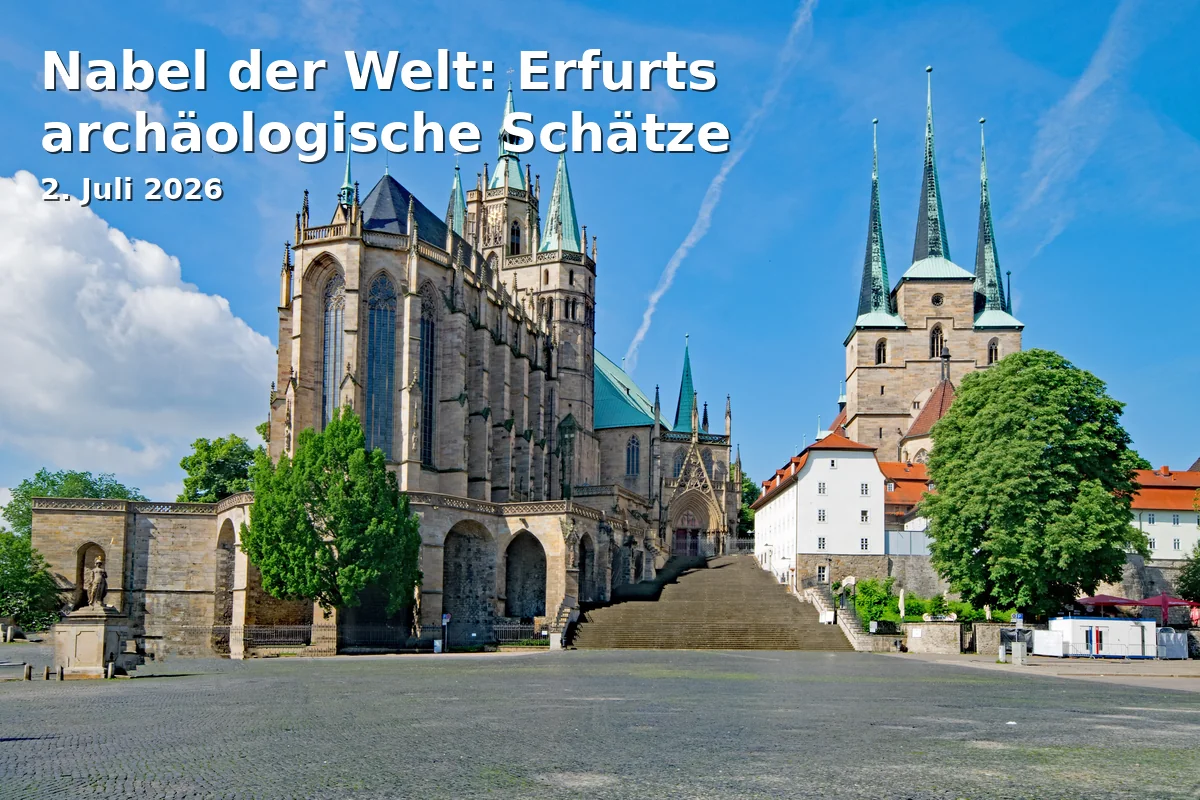
Navel of the World: Erfurt's Archaeological Treasures
Visit the exhibition about Erfurt's archaeological heritage and discover unique finds and exciting stories.
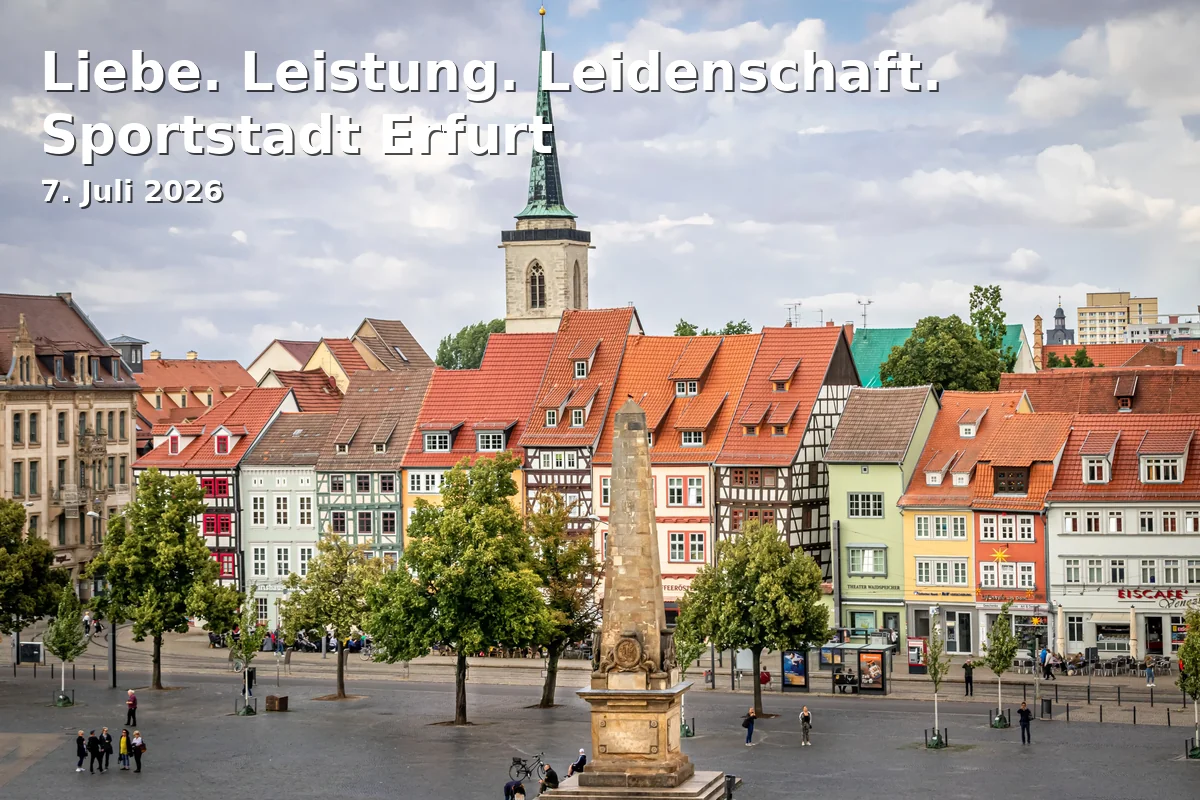
Love. Performance. Passion. Sports City Erfurt
Celebrate the 60th anniversary of FC Rot-Weiß Erfurt and discover the sporting past of Erfurt in this fascinating special exhibition.
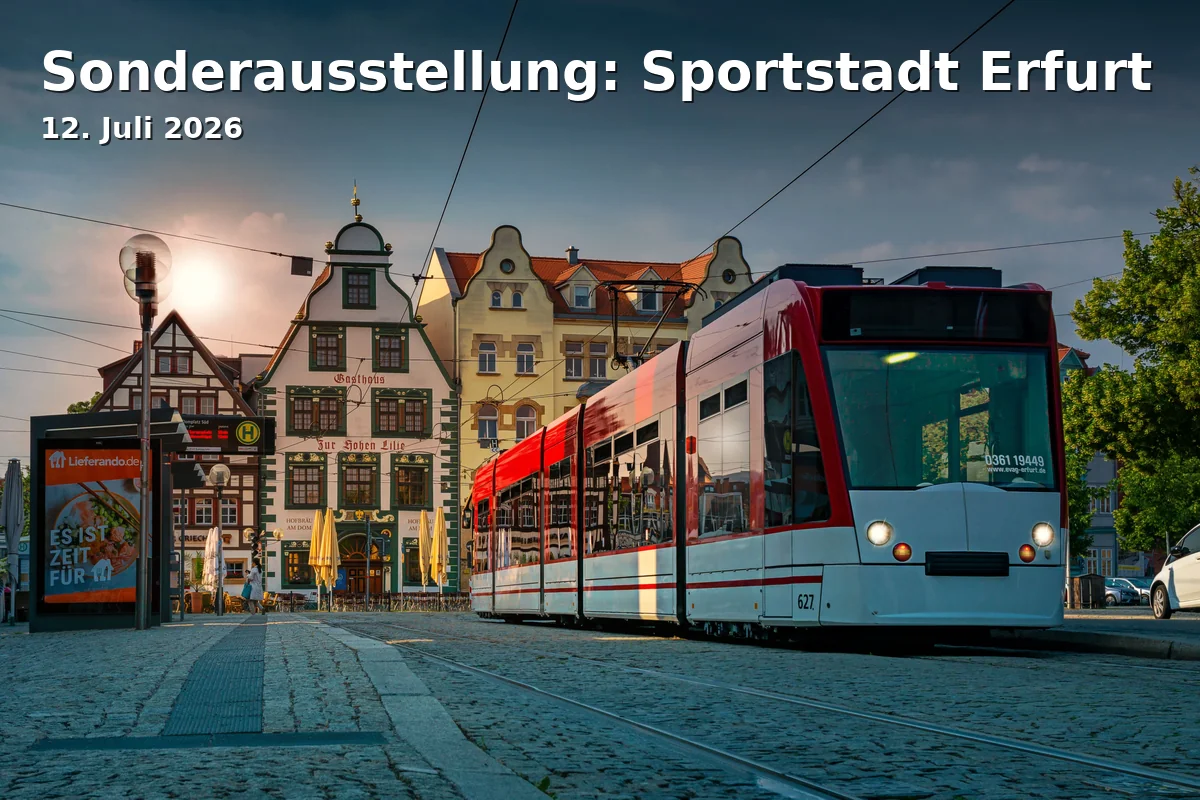
Special Exhibition: Sports City Erfurt
Experience the passionate sports history of Erfurt! Visit the special exhibition on July 12, 2026, at the city museum.

Guided Bike Tour - Searching for Traces on Two Wheels
Part of the exhibition "Sports City Erfurt", this bike tour leads to various sports historical sites. Don’t miss out on re-experiencing your city!
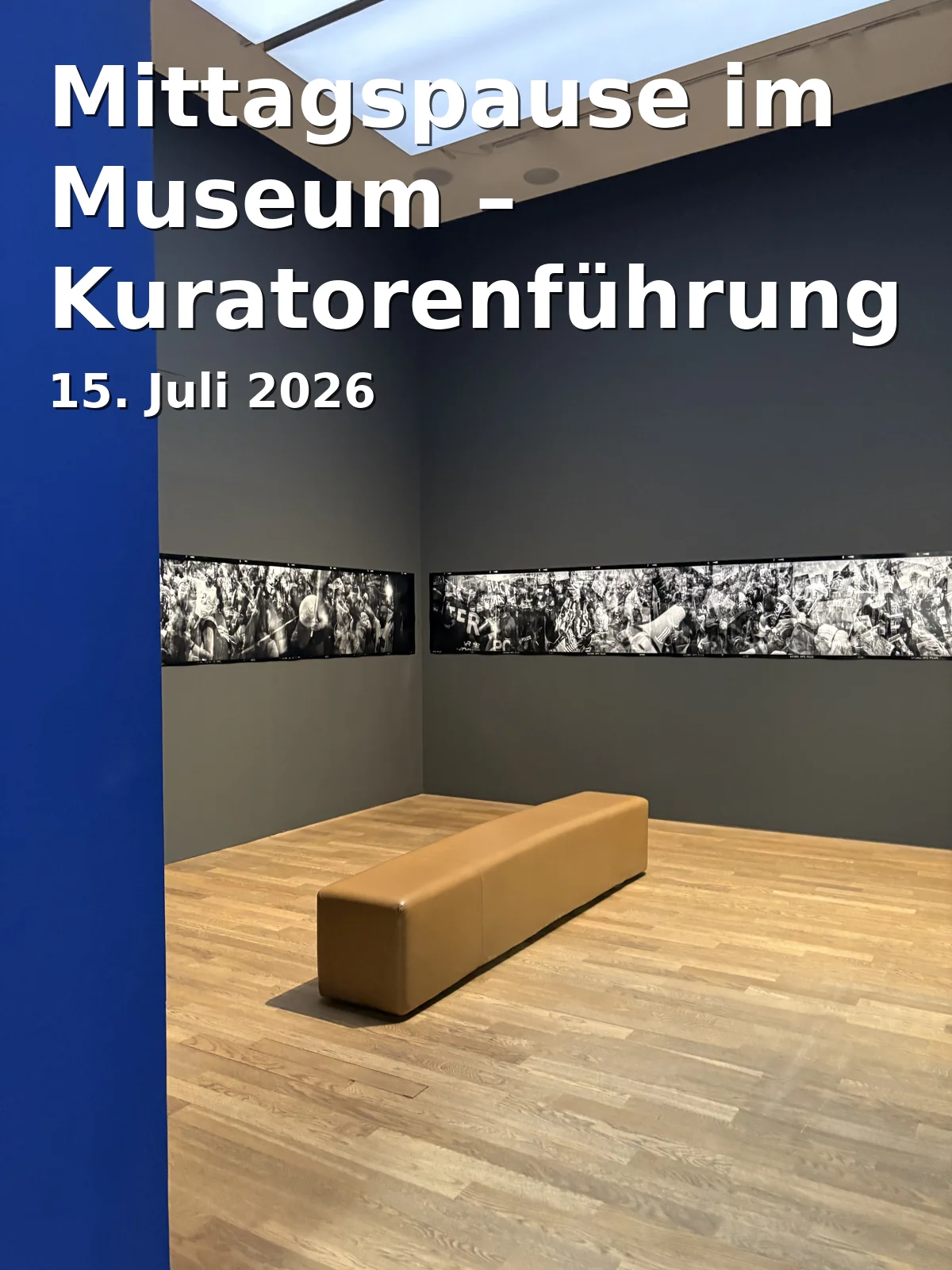
Lunch Break at the Museum – Curator's Tour
Discover art and culture during lunch with a curator's tour at the City Museum of Erfurt. Free entry!
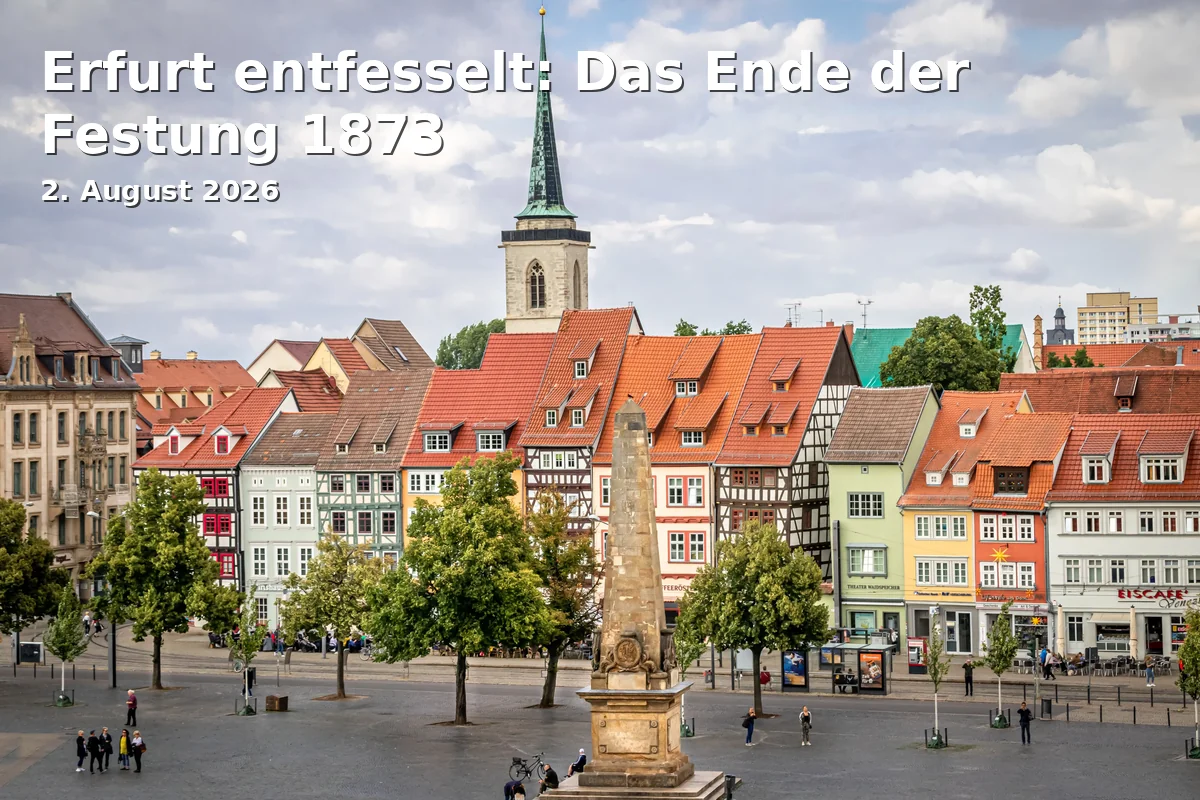
Erfurt entfesselt: Das Ende der Festung 1873
Erleben Sie Erfurts Umgestaltung nach 1873. Sonderausstellung im Stadtmuseum „Haus zum Stockfisch“.
Frequently Asked Questions
Reviews
Margaret Larkin
21. September 2025
Interesting museum, especially the first floor with the medieval art and artifacts. They let us use our phones to translate the German descriptions. There's a lot to read on the second floor, but we didn't have so much time to read it all. It's interesting to see how the city grew over time through the 19th century. You'll have to go to the DDR museum to learn about more modern history.
Cameron Clark
12. November 2022
Would have liked to check out the museum, but was told at the door that all exhibits are in German only. For tourists from outside Germany (like us), would be nice to at least have an English translation.
Andy Fisher
23. July 2024
Worth visiting if in Erfurt but disappointingly few exhibits about either the National Socialist or Communist periods.
Prashant Pidaparthi
2. December 2018
History of Erfurt and an exhibition on Erfurt and Beer was really enjoyable. There was also a small selection of Beer that you could try after the museum visit!
Lincoln Crisler
3. July 2021
I enjoyed learning about historic Erfurt here. No photography, but they let me use Translate on my phone.