
Erfurt
Holzheienstraße 8B, 99084 Erfurt-Brühlervorstadt, Deutschland
Brühler Garten | History & Events
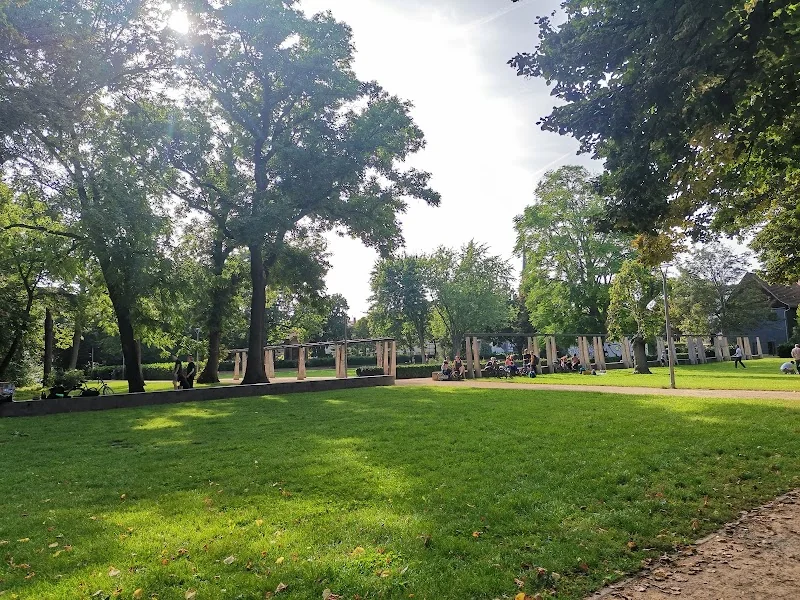
The Brühler Garten is one of those places in Erfurt where city history, local recreation, and everyday use seamlessly intertwine. The current facility is located in the Brühlervorstadt/Mainzerhofplatz area and is considered by the city to be one of the listed protected park and garden facilities in the city center. With its old tree avenue, lawn parterres, music shell, and playground, the Brühler Garten is small enough for a quick visit and simultaneously versatile enough for a longer break in nature. The official city and tourism description makes it clear that the place should not only be perceived as a park but also as an important piece of urban climate, recreation, and quality of stay. This blend of historical depth and modern use continues to shape the character of the garden to this day. Therefore, those who visit the Brühler Garten do not experience just any green strip, but a developed facility with a clear identity, central location, and a fixed place in the urban fabric. ([erfurt-tourismus.de](https://www.erfurt-tourismus.de/sehens-wissenswertes/gartenbau-gaerten-und-parks/parks-und-gaerten/bruehler-garten/?cHash=b184db01669cae4c521ebd286162393b&sword_list%5B0%5D=Stadtplan))
History, Cemetery, and Transformation of the Brühler Garten
The history of the Brühler Garten is significantly more complex than its calm first impression might suggest. According to the Erfurt tourism website, the area was redesigned into a city park in 1940. Prior to that, it had been a spa garden for a long time and before that a pleasure garden used by the Mainz governor Boyneburg. In between, there were phases during which burials for the deceased without church assistance were repeatedly carried out on the site. The name “Brühler Garten” only emerged in the 1920s and is derived from its location in Erfurt's Brühl. Thus, the current park is a place where different uses and epochs overlap: representation, recreation, remembrance, and public urban space. This historical multipurpose use also explains why the garden in Erfurt is not simply understood as a green area but as part of a developed cultural space. The urban representation in the context of green and open space planning also indicates that Erfurt has always had a strong garden and park tradition, and the Brühler Garten plays an important role in this context. ([erfurt-tourismus.de](https://www.erfurt-tourismus.de/sehens-wissenswertes/gartenbau-gaerten-und-parks/parks-und-gaerten/bruehler-garten/?cHash=b184db01669cae4c521ebd286162393b&sword_list%5B0%5D=Stadtplan))
Those interested in the historical context will also recognize the urban planning logic of Erfurt in the Brühler Garten. The park is located in an area closely connected to the former inner city wall, the Brühl, and the historical open spaces west of the old town. In urban planning texts, it is described as an important green connection that links the old town with the Brühl district while connecting footpaths, stays, and passages. This is precisely what makes the place so typical for Erfurt: it is not isolated but part of an urban system of paths, green corridors, and historical reference points. This integration also explains why the park, despite its comparatively small size, has a high perceptual power. The Brühler Garten is thus more than a historical remnant. It is a living building block of inner-city development and at the same time a publicly accessible memory space where earlier uses can still be read in today's form. ([erfurt.de](https://www.erfurt.de/mam/ef/leben/stadtplanung/stadtplanung_in_erfurt_-_spielraume_erleben.pdf))
Access, Maps, and Location in the Heart of Erfurt
The location of the Brühler Garten makes it particularly easily accessible. The official tourism site lists the area around the Brühl as the address and refers to public transport connections via city tram lines 1 and 2 with the stop Brühler Garten, as well as line 4 with the stop Theater. For access by car, the Mainzerhofplatz is mentioned. This makes it clear: the park is located in the midst of urban everyday life, not on the outskirts, but in close proximity to the old town, theater, and other central destinations. Therefore, those searching for “Brühler Garten Erfurt Maps” on their phones have a very simple point of orientation, as the official location is clearly findable via city center axes and stop names. At the same time, the Brühler Garten is one of the places that can be easily incorporated into a walk through the old town. The way there is short, the surroundings are urban, and yet the park acts as a quiet interruption between streets, houses, and paths. This mixture is the real added value for many visitors. ([erfurt-tourismus.de](https://www.erfurt-tourismus.de/sehens-wissenswertes/gartenbau-gaerten-und-parks/parks-und-gaerten/bruehler-garten/?cHash=b184db01669cae4c521ebd286162393b&sword_list%5B0%5D=Stadtplan))
For drivers, it is important to note that the Brühler Garten does not have a large park landscape with its own visitor parking but is located in a dense city center area. The Erfurt Geoportal provides current data on parking garages, Park+Ride offers, and other parking spaces that can help in the inner-city environment. The Mainzerhofplatz is the official access point nearby; from there, the park can be easily reached. It is also practical that the city center is overall well connected to public transport, making the Brühler Garten easily accessible even without a car. For people with limited mobility, this combination of public transport connection, central location, and existing infrastructure is particularly relevant. Therefore, those who choose the park as a destination for a short stay or a stopover benefit from a very city-friendly visit format: arrive, stay for a few minutes or an hour, and then continue directly to the old town or the theater. ([geoportal.erfurt.de](https://geoportal.erfurt.de/gp/de/themen/umwelt-verkehr-wirtschaft/parken/index.html?utm_source=openai))
Events in the Brühler Garten: Creme Brühlee and More
The Brühler Garten is not only a place for tranquility but also for open, low-threshold cultural formats. The official Erfurt event calendar lists the series “Creme Brühlee 2026.” It states that during the summer months, music, cabaret, and children's programs will sweeten the afternoons on the garden's meadow once a month. This combination of easily accessible programming and relaxed park atmosphere fits well with the character of the facility. Unlike a classic hall, the Brühler Garten works with the open form of a city meadow, with movement, seating, and the interplay of coming and going. For visitors, this means: the garden is not just a mere backdrop for events but part of the experience. The green space, the central location, and the historical embedding give the program a unique framework. This makes the Brühler Garten particularly attractive for summer visits when culture, family time, and an outdoor feeling come together. ([erfurt.de](https://www.erfurt.de/ef/de/erleben/))
The fact that the Brühler Garten also plays a role in larger city festivals is demonstrated by the Krämerbrückenfest. In the official documents for the festival, the Brühler Garten was planned as a stage location for 2025; there, the Erfurt live club Franz Mehlhose curated a musical program with national and international acts from jazz, hip-hop, Afro-fusion, and related styles. This is an important indication of how flexibly the place can be culturally used. Depending on the occasion, it becomes a quiet park stage, a family-friendly meeting point, or a festival component within a larger city festival. Therefore, those searching for “Brühler Garten Erfurt Events” should not confuse the place with a fixed concert hall. Its strength lies precisely in the open, seasonal, and sometimes surprising use. Sometimes there are recurring picnic concerts, sometimes festival formats, and sometimes smaller art or participatory actions. This versatility also explains the high visibility of the Brühler Garten in Erfurt. It is a park that culturally participates without losing its function as an open space. ([erfurt.de](https://www.erfurt.de/mam/ef/service/mediathek/publikationen/2025/programm_kramerbruckenfest_2025.pdf?utm_source=openai))
Playground, Benches, and Family Time in the Green
For families, the Brühler Garten is particularly interesting because it is not only green but also actively usable. The urban planning describes the SpielPark Brühler Garten as a natural environment with climbing elements such as towers and ropes, a slide, swing, wobble elements, and two oversized stone balls. At the same time, it is emphasized that children's play has been part of the character of the facility for decades. This information shows that the Brühler Garten is not a purely decorative park but a place for movement and spontaneous use. Children find here not only a classic standard equipment but a play zone that is embedded in the landscape. This is particularly valuable in the urban context because it combines quality of stay and play value. Therefore, those who choose the park for a walk, a family afternoon, or a short stop with children receive not only greenery but real diversity of use. ([erfurt.de](https://www.erfurt.de/mam/ef/leben/stadtplanung/stadtplanung_in_erfurt_-_spielraume_erleben.pdf))
Family-friendliness also includes the additional details of the facility. The official tourism site mentions a concert pavilion, benches, and an accessible toilet in the Brühler Garten. Together with the open meadow structure, this creates a place where one can sit, wait, picnic, or rest between two city appointments. The park facility remains clear despite its compact size, which is often a decisive advantage for parents with children. One can keep a good eye on the space, the paths are clear, and the atmosphere is rather calm than overloaded. This is particularly important for search queries like “Brühler Garten Children's Day”: even if there is not a specific Children's Day program documented for every year, the garden meets many criteria for a child-friendly outing. It offers play opportunities, open spaces, and additional children's programs during events. Therefore, those looking for a place where children can not only walk along but really do something are in the right place. ([erfurt.de](https://www.erfurt.de/sehens-wissenswertes/gartenbau-gaerten-und-parks/parks-und-gaerten/bruehler-garten/?cHash=b184db01669cae4c521ebd286162393b&sword_list%5B0%5D=Stadtplan))
Accessible Facilities, WC, and Practical Tips
The practical side of the Brühler Garten is at least as important for the visit as its history. Particularly helpful is the official WC information from the city of Erfurt: a public toilet with accessible facilities is listed for the Brühler Garten. It is open daily from April to October from 7:00 AM to 7:00 PM; the accessible toilet can be used with a Euro key. This information is equally relevant for families, older visitors, and people with mobility restrictions because it significantly increases the quality of stay. Particularly in a park that is used as a short city walk, picnic spot, or event space, such practical details are crucial. They make the visit planable and provide security when one wants to stay longer. Therefore, those who specifically incorporate the Brühler Garten into their route do not have to improvise but can prepare their stay reasonably. ([erfurt.de](https://www.erfurt.de/ef/de/erleben/besuch/toiletten/))
The architectural and landscape structure is also comfortable for the visit. In the official city documents, the Brühler Garten is described as a listed park and garden facility with an old tree avenue, lawn parterres, music shell, pergola, and playground. Additionally, there are benches, shady areas, and the central location that make the park a reliable stopover. Those wanting to take photos will find clear lines, old trees, open lawns, and architectural elements that fit well into the cityscape. This is no coincidence but the result of the historical and gardening development of the site. From the perspective of urban climate function, the park is also important: official reports emphasize its significance for recreation, the environment, and urban climate. Thus, the Brühler Garten is not only pretty but functional. It cools, structures, connects, and invites one to take a break. For visitors, this means in practice: sit down, breathe, let the gaze wander, and consciously perceive the contrast between the city center and greenery. ([erfurt.de](https://www.erfurt.de/mam/ef/leben/oekologie_und_umwelt/immission/anhang_9_dokumentation_relativ_ruhige_gebiete.pdf))
Photos, Special Features, and Why the Brühler Garten is Popular
Those searching for “Brühler Garten Photos” quickly notice that the attractiveness of the place arises significantly from its mix of order and naturalness. The old tree avenue gives the park a clear line, the lawn parterres create openness, and the music shell and pergola set architectural accents. This combination makes the garden photogenic without appearing artificial. It is not a spectacular theme park but an urban place of tranquility with form, history, and signs of use. This appears calm, balanced, and very Erfurt-like in pictures: historical but not museum-like; green but not wild; central but not loud. These qualities also explain why the Brühler Garten appears in many city and leisure routes, even though it is manageable in size. It offers a quick change of location from the dense city center to a quiet, green environment. This is precisely what many people seek when planning a short walk or a break between two appointments. ([erfurt.de](https://www.erfurt.de/mam/ef/leben/oekologie_und_umwelt/immission/anhang_9_dokumentation_relativ_ruhige_gebiete.pdf))
Another special aspect is the function of the Brühler Garten as a connecting link. Urban planning describes it as an important green connection from the old town to the Brühl district, with a successful coexistence of play and pedestrian passage. This is a very good image of the actual use: one does not just enter the park, one passes through it, one stops, sits down, observes, and perceives the city differently. This permeability creates its special charm. Additionally, the Brühler Garten has existed as a city park since 1940, thus possessing a clear modern park form that builds on a much older layer of uses. The place is therefore not only beautiful to look at but also narratively strong. It tells of garden culture, cemetery history, public space, and cultural events. Those wishing to understand Erfurt can read very well how closely history and present are connected at this park. ([erfurt.de](https://www.erfurt.de/mam/ef/leben/stadtplanung/stadtplanung_in_erfurt_-_spielraume_erleben.pdf))
Why a Visit Today is Worthwhile
A visit to the Brühler Garten is particularly worthwhile because several Erfurt qualities become visible in a small space. The city describes the park as a listed place of significance for recreation, the environment, and urban climate; at the same time, current indications document that the garden will continue to be used as an event venue and public open space in 2026. For visitors, this means: the Brühler Garten is not frozen but alive. One can experience it in the morning as a quiet city park, at noon as a place for a break, and in summer as a small cultural area with concerts or children's programs. This adaptability is the real reason for its popularity. It is close, manageable, easy to reach, and yet rich in content. Those searching only for the name may get a park. However, those who truly visit will receive a historical urban space with atmosphere. ([erfurt.de](https://www.erfurt.de/ef/de/erleben/?utm_source=openai))
Particularly sensible is the Brühler Garten as part of a larger city tour. It fits well with visits around the theater, old town, and the western green axes of Erfurt. At the same time, it remains an independent place that does not require long preparations. One can go spontaneously, sit on a bench, use the playground, attend an event, or simply stroll through the historical facility. The fact that the city emphasizes the historical character of the garden in the course of renovations also shows how important the place has remained from an administrative perspective. For search queries like “Brühler Garten today” or “Brühler Garten Erfurt maps,” it can therefore be clearly stated: the garden is central, easily findable, and absolutely suitable as a day destination. Those who want to not only see Erfurt but also breathe between the sights will find here the right mix of history, greenery, and urban life. ([erfurt.de](https://www.erfurt.de/ef/de/erleben/?utm_source=openai))
Sources:
- Erfurt Tourism - Brühler Garten
- Erfurt.de - Experience and linger in Erfurt
- Erfurt.de - Urban Planning in Erfurt / Experience Play Spaces (PDF)
- Erfurt.de - Noise Action Plan / Documentation of Relatively Quiet Areas (PDF)
- Erfurt.de - Public Toilets/WC
- Erfurt.de - Krämerbrückenfest
- Kunstmuseen Erfurt - Triad of Culture, Nature, and Spirit in the Brühler Garten?
Mehr anzeigenWeniger anzeigen
Brühler Garten | History & Events
The Brühler Garten is one of those places in Erfurt where city history, local recreation, and everyday use seamlessly intertwine. The current facility is located in the Brühlervorstadt/Mainzerhofplatz area and is considered by the city to be one of the listed protected park and garden facilities in the city center. With its old tree avenue, lawn parterres, music shell, and playground, the Brühler Garten is small enough for a quick visit and simultaneously versatile enough for a longer break in nature. The official city and tourism description makes it clear that the place should not only be perceived as a park but also as an important piece of urban climate, recreation, and quality of stay. This blend of historical depth and modern use continues to shape the character of the garden to this day. Therefore, those who visit the Brühler Garten do not experience just any green strip, but a developed facility with a clear identity, central location, and a fixed place in the urban fabric. ([erfurt-tourismus.de](https://www.erfurt-tourismus.de/sehens-wissenswertes/gartenbau-gaerten-und-parks/parks-und-gaerten/bruehler-garten/?cHash=b184db01669cae4c521ebd286162393b&sword_list%5B0%5D=Stadtplan))
History, Cemetery, and Transformation of the Brühler Garten
The history of the Brühler Garten is significantly more complex than its calm first impression might suggest. According to the Erfurt tourism website, the area was redesigned into a city park in 1940. Prior to that, it had been a spa garden for a long time and before that a pleasure garden used by the Mainz governor Boyneburg. In between, there were phases during which burials for the deceased without church assistance were repeatedly carried out on the site. The name “Brühler Garten” only emerged in the 1920s and is derived from its location in Erfurt's Brühl. Thus, the current park is a place where different uses and epochs overlap: representation, recreation, remembrance, and public urban space. This historical multipurpose use also explains why the garden in Erfurt is not simply understood as a green area but as part of a developed cultural space. The urban representation in the context of green and open space planning also indicates that Erfurt has always had a strong garden and park tradition, and the Brühler Garten plays an important role in this context. ([erfurt-tourismus.de](https://www.erfurt-tourismus.de/sehens-wissenswertes/gartenbau-gaerten-und-parks/parks-und-gaerten/bruehler-garten/?cHash=b184db01669cae4c521ebd286162393b&sword_list%5B0%5D=Stadtplan))
Those interested in the historical context will also recognize the urban planning logic of Erfurt in the Brühler Garten. The park is located in an area closely connected to the former inner city wall, the Brühl, and the historical open spaces west of the old town. In urban planning texts, it is described as an important green connection that links the old town with the Brühl district while connecting footpaths, stays, and passages. This is precisely what makes the place so typical for Erfurt: it is not isolated but part of an urban system of paths, green corridors, and historical reference points. This integration also explains why the park, despite its comparatively small size, has a high perceptual power. The Brühler Garten is thus more than a historical remnant. It is a living building block of inner-city development and at the same time a publicly accessible memory space where earlier uses can still be read in today's form. ([erfurt.de](https://www.erfurt.de/mam/ef/leben/stadtplanung/stadtplanung_in_erfurt_-_spielraume_erleben.pdf))
Access, Maps, and Location in the Heart of Erfurt
The location of the Brühler Garten makes it particularly easily accessible. The official tourism site lists the area around the Brühl as the address and refers to public transport connections via city tram lines 1 and 2 with the stop Brühler Garten, as well as line 4 with the stop Theater. For access by car, the Mainzerhofplatz is mentioned. This makes it clear: the park is located in the midst of urban everyday life, not on the outskirts, but in close proximity to the old town, theater, and other central destinations. Therefore, those searching for “Brühler Garten Erfurt Maps” on their phones have a very simple point of orientation, as the official location is clearly findable via city center axes and stop names. At the same time, the Brühler Garten is one of the places that can be easily incorporated into a walk through the old town. The way there is short, the surroundings are urban, and yet the park acts as a quiet interruption between streets, houses, and paths. This mixture is the real added value for many visitors. ([erfurt-tourismus.de](https://www.erfurt-tourismus.de/sehens-wissenswertes/gartenbau-gaerten-und-parks/parks-und-gaerten/bruehler-garten/?cHash=b184db01669cae4c521ebd286162393b&sword_list%5B0%5D=Stadtplan))
For drivers, it is important to note that the Brühler Garten does not have a large park landscape with its own visitor parking but is located in a dense city center area. The Erfurt Geoportal provides current data on parking garages, Park+Ride offers, and other parking spaces that can help in the inner-city environment. The Mainzerhofplatz is the official access point nearby; from there, the park can be easily reached. It is also practical that the city center is overall well connected to public transport, making the Brühler Garten easily accessible even without a car. For people with limited mobility, this combination of public transport connection, central location, and existing infrastructure is particularly relevant. Therefore, those who choose the park as a destination for a short stay or a stopover benefit from a very city-friendly visit format: arrive, stay for a few minutes or an hour, and then continue directly to the old town or the theater. ([geoportal.erfurt.de](https://geoportal.erfurt.de/gp/de/themen/umwelt-verkehr-wirtschaft/parken/index.html?utm_source=openai))
Events in the Brühler Garten: Creme Brühlee and More
The Brühler Garten is not only a place for tranquility but also for open, low-threshold cultural formats. The official Erfurt event calendar lists the series “Creme Brühlee 2026.” It states that during the summer months, music, cabaret, and children's programs will sweeten the afternoons on the garden's meadow once a month. This combination of easily accessible programming and relaxed park atmosphere fits well with the character of the facility. Unlike a classic hall, the Brühler Garten works with the open form of a city meadow, with movement, seating, and the interplay of coming and going. For visitors, this means: the garden is not just a mere backdrop for events but part of the experience. The green space, the central location, and the historical embedding give the program a unique framework. This makes the Brühler Garten particularly attractive for summer visits when culture, family time, and an outdoor feeling come together. ([erfurt.de](https://www.erfurt.de/ef/de/erleben/))
The fact that the Brühler Garten also plays a role in larger city festivals is demonstrated by the Krämerbrückenfest. In the official documents for the festival, the Brühler Garten was planned as a stage location for 2025; there, the Erfurt live club Franz Mehlhose curated a musical program with national and international acts from jazz, hip-hop, Afro-fusion, and related styles. This is an important indication of how flexibly the place can be culturally used. Depending on the occasion, it becomes a quiet park stage, a family-friendly meeting point, or a festival component within a larger city festival. Therefore, those searching for “Brühler Garten Erfurt Events” should not confuse the place with a fixed concert hall. Its strength lies precisely in the open, seasonal, and sometimes surprising use. Sometimes there are recurring picnic concerts, sometimes festival formats, and sometimes smaller art or participatory actions. This versatility also explains the high visibility of the Brühler Garten in Erfurt. It is a park that culturally participates without losing its function as an open space. ([erfurt.de](https://www.erfurt.de/mam/ef/service/mediathek/publikationen/2025/programm_kramerbruckenfest_2025.pdf?utm_source=openai))
Playground, Benches, and Family Time in the Green
For families, the Brühler Garten is particularly interesting because it is not only green but also actively usable. The urban planning describes the SpielPark Brühler Garten as a natural environment with climbing elements such as towers and ropes, a slide, swing, wobble elements, and two oversized stone balls. At the same time, it is emphasized that children's play has been part of the character of the facility for decades. This information shows that the Brühler Garten is not a purely decorative park but a place for movement and spontaneous use. Children find here not only a classic standard equipment but a play zone that is embedded in the landscape. This is particularly valuable in the urban context because it combines quality of stay and play value. Therefore, those who choose the park for a walk, a family afternoon, or a short stop with children receive not only greenery but real diversity of use. ([erfurt.de](https://www.erfurt.de/mam/ef/leben/stadtplanung/stadtplanung_in_erfurt_-_spielraume_erleben.pdf))
Family-friendliness also includes the additional details of the facility. The official tourism site mentions a concert pavilion, benches, and an accessible toilet in the Brühler Garten. Together with the open meadow structure, this creates a place where one can sit, wait, picnic, or rest between two city appointments. The park facility remains clear despite its compact size, which is often a decisive advantage for parents with children. One can keep a good eye on the space, the paths are clear, and the atmosphere is rather calm than overloaded. This is particularly important for search queries like “Brühler Garten Children's Day”: even if there is not a specific Children's Day program documented for every year, the garden meets many criteria for a child-friendly outing. It offers play opportunities, open spaces, and additional children's programs during events. Therefore, those looking for a place where children can not only walk along but really do something are in the right place. ([erfurt.de](https://www.erfurt.de/sehens-wissenswertes/gartenbau-gaerten-und-parks/parks-und-gaerten/bruehler-garten/?cHash=b184db01669cae4c521ebd286162393b&sword_list%5B0%5D=Stadtplan))
Accessible Facilities, WC, and Practical Tips
The practical side of the Brühler Garten is at least as important for the visit as its history. Particularly helpful is the official WC information from the city of Erfurt: a public toilet with accessible facilities is listed for the Brühler Garten. It is open daily from April to October from 7:00 AM to 7:00 PM; the accessible toilet can be used with a Euro key. This information is equally relevant for families, older visitors, and people with mobility restrictions because it significantly increases the quality of stay. Particularly in a park that is used as a short city walk, picnic spot, or event space, such practical details are crucial. They make the visit planable and provide security when one wants to stay longer. Therefore, those who specifically incorporate the Brühler Garten into their route do not have to improvise but can prepare their stay reasonably. ([erfurt.de](https://www.erfurt.de/ef/de/erleben/besuch/toiletten/))
The architectural and landscape structure is also comfortable for the visit. In the official city documents, the Brühler Garten is described as a listed park and garden facility with an old tree avenue, lawn parterres, music shell, pergola, and playground. Additionally, there are benches, shady areas, and the central location that make the park a reliable stopover. Those wanting to take photos will find clear lines, old trees, open lawns, and architectural elements that fit well into the cityscape. This is no coincidence but the result of the historical and gardening development of the site. From the perspective of urban climate function, the park is also important: official reports emphasize its significance for recreation, the environment, and urban climate. Thus, the Brühler Garten is not only pretty but functional. It cools, structures, connects, and invites one to take a break. For visitors, this means in practice: sit down, breathe, let the gaze wander, and consciously perceive the contrast between the city center and greenery. ([erfurt.de](https://www.erfurt.de/mam/ef/leben/oekologie_und_umwelt/immission/anhang_9_dokumentation_relativ_ruhige_gebiete.pdf))
Photos, Special Features, and Why the Brühler Garten is Popular
Those searching for “Brühler Garten Photos” quickly notice that the attractiveness of the place arises significantly from its mix of order and naturalness. The old tree avenue gives the park a clear line, the lawn parterres create openness, and the music shell and pergola set architectural accents. This combination makes the garden photogenic without appearing artificial. It is not a spectacular theme park but an urban place of tranquility with form, history, and signs of use. This appears calm, balanced, and very Erfurt-like in pictures: historical but not museum-like; green but not wild; central but not loud. These qualities also explain why the Brühler Garten appears in many city and leisure routes, even though it is manageable in size. It offers a quick change of location from the dense city center to a quiet, green environment. This is precisely what many people seek when planning a short walk or a break between two appointments. ([erfurt.de](https://www.erfurt.de/mam/ef/leben/oekologie_und_umwelt/immission/anhang_9_dokumentation_relativ_ruhige_gebiete.pdf))
Another special aspect is the function of the Brühler Garten as a connecting link. Urban planning describes it as an important green connection from the old town to the Brühl district, with a successful coexistence of play and pedestrian passage. This is a very good image of the actual use: one does not just enter the park, one passes through it, one stops, sits down, observes, and perceives the city differently. This permeability creates its special charm. Additionally, the Brühler Garten has existed as a city park since 1940, thus possessing a clear modern park form that builds on a much older layer of uses. The place is therefore not only beautiful to look at but also narratively strong. It tells of garden culture, cemetery history, public space, and cultural events. Those wishing to understand Erfurt can read very well how closely history and present are connected at this park. ([erfurt.de](https://www.erfurt.de/mam/ef/leben/stadtplanung/stadtplanung_in_erfurt_-_spielraume_erleben.pdf))
Why a Visit Today is Worthwhile
A visit to the Brühler Garten is particularly worthwhile because several Erfurt qualities become visible in a small space. The city describes the park as a listed place of significance for recreation, the environment, and urban climate; at the same time, current indications document that the garden will continue to be used as an event venue and public open space in 2026. For visitors, this means: the Brühler Garten is not frozen but alive. One can experience it in the morning as a quiet city park, at noon as a place for a break, and in summer as a small cultural area with concerts or children's programs. This adaptability is the real reason for its popularity. It is close, manageable, easy to reach, and yet rich in content. Those searching only for the name may get a park. However, those who truly visit will receive a historical urban space with atmosphere. ([erfurt.de](https://www.erfurt.de/ef/de/erleben/?utm_source=openai))
Particularly sensible is the Brühler Garten as part of a larger city tour. It fits well with visits around the theater, old town, and the western green axes of Erfurt. At the same time, it remains an independent place that does not require long preparations. One can go spontaneously, sit on a bench, use the playground, attend an event, or simply stroll through the historical facility. The fact that the city emphasizes the historical character of the garden in the course of renovations also shows how important the place has remained from an administrative perspective. For search queries like “Brühler Garten today” or “Brühler Garten Erfurt maps,” it can therefore be clearly stated: the garden is central, easily findable, and absolutely suitable as a day destination. Those who want to not only see Erfurt but also breathe between the sights will find here the right mix of history, greenery, and urban life. ([erfurt.de](https://www.erfurt.de/ef/de/erleben/?utm_source=openai))
Sources:
- Erfurt Tourism - Brühler Garten
- Erfurt.de - Experience and linger in Erfurt
- Erfurt.de - Urban Planning in Erfurt / Experience Play Spaces (PDF)
- Erfurt.de - Noise Action Plan / Documentation of Relatively Quiet Areas (PDF)
- Erfurt.de - Public Toilets/WC
- Erfurt.de - Krämerbrückenfest
- Kunstmuseen Erfurt - Triad of Culture, Nature, and Spirit in the Brühler Garten?
Brühler Garten | History & Events
The Brühler Garten is one of those places in Erfurt where city history, local recreation, and everyday use seamlessly intertwine. The current facility is located in the Brühlervorstadt/Mainzerhofplatz area and is considered by the city to be one of the listed protected park and garden facilities in the city center. With its old tree avenue, lawn parterres, music shell, and playground, the Brühler Garten is small enough for a quick visit and simultaneously versatile enough for a longer break in nature. The official city and tourism description makes it clear that the place should not only be perceived as a park but also as an important piece of urban climate, recreation, and quality of stay. This blend of historical depth and modern use continues to shape the character of the garden to this day. Therefore, those who visit the Brühler Garten do not experience just any green strip, but a developed facility with a clear identity, central location, and a fixed place in the urban fabric. ([erfurt-tourismus.de](https://www.erfurt-tourismus.de/sehens-wissenswertes/gartenbau-gaerten-und-parks/parks-und-gaerten/bruehler-garten/?cHash=b184db01669cae4c521ebd286162393b&sword_list%5B0%5D=Stadtplan))
History, Cemetery, and Transformation of the Brühler Garten
The history of the Brühler Garten is significantly more complex than its calm first impression might suggest. According to the Erfurt tourism website, the area was redesigned into a city park in 1940. Prior to that, it had been a spa garden for a long time and before that a pleasure garden used by the Mainz governor Boyneburg. In between, there were phases during which burials for the deceased without church assistance were repeatedly carried out on the site. The name “Brühler Garten” only emerged in the 1920s and is derived from its location in Erfurt's Brühl. Thus, the current park is a place where different uses and epochs overlap: representation, recreation, remembrance, and public urban space. This historical multipurpose use also explains why the garden in Erfurt is not simply understood as a green area but as part of a developed cultural space. The urban representation in the context of green and open space planning also indicates that Erfurt has always had a strong garden and park tradition, and the Brühler Garten plays an important role in this context. ([erfurt-tourismus.de](https://www.erfurt-tourismus.de/sehens-wissenswertes/gartenbau-gaerten-und-parks/parks-und-gaerten/bruehler-garten/?cHash=b184db01669cae4c521ebd286162393b&sword_list%5B0%5D=Stadtplan))
Those interested in the historical context will also recognize the urban planning logic of Erfurt in the Brühler Garten. The park is located in an area closely connected to the former inner city wall, the Brühl, and the historical open spaces west of the old town. In urban planning texts, it is described as an important green connection that links the old town with the Brühl district while connecting footpaths, stays, and passages. This is precisely what makes the place so typical for Erfurt: it is not isolated but part of an urban system of paths, green corridors, and historical reference points. This integration also explains why the park, despite its comparatively small size, has a high perceptual power. The Brühler Garten is thus more than a historical remnant. It is a living building block of inner-city development and at the same time a publicly accessible memory space where earlier uses can still be read in today's form. ([erfurt.de](https://www.erfurt.de/mam/ef/leben/stadtplanung/stadtplanung_in_erfurt_-_spielraume_erleben.pdf))
Access, Maps, and Location in the Heart of Erfurt
The location of the Brühler Garten makes it particularly easily accessible. The official tourism site lists the area around the Brühl as the address and refers to public transport connections via city tram lines 1 and 2 with the stop Brühler Garten, as well as line 4 with the stop Theater. For access by car, the Mainzerhofplatz is mentioned. This makes it clear: the park is located in the midst of urban everyday life, not on the outskirts, but in close proximity to the old town, theater, and other central destinations. Therefore, those searching for “Brühler Garten Erfurt Maps” on their phones have a very simple point of orientation, as the official location is clearly findable via city center axes and stop names. At the same time, the Brühler Garten is one of the places that can be easily incorporated into a walk through the old town. The way there is short, the surroundings are urban, and yet the park acts as a quiet interruption between streets, houses, and paths. This mixture is the real added value for many visitors. ([erfurt-tourismus.de](https://www.erfurt-tourismus.de/sehens-wissenswertes/gartenbau-gaerten-und-parks/parks-und-gaerten/bruehler-garten/?cHash=b184db01669cae4c521ebd286162393b&sword_list%5B0%5D=Stadtplan))
For drivers, it is important to note that the Brühler Garten does not have a large park landscape with its own visitor parking but is located in a dense city center area. The Erfurt Geoportal provides current data on parking garages, Park+Ride offers, and other parking spaces that can help in the inner-city environment. The Mainzerhofplatz is the official access point nearby; from there, the park can be easily reached. It is also practical that the city center is overall well connected to public transport, making the Brühler Garten easily accessible even without a car. For people with limited mobility, this combination of public transport connection, central location, and existing infrastructure is particularly relevant. Therefore, those who choose the park as a destination for a short stay or a stopover benefit from a very city-friendly visit format: arrive, stay for a few minutes or an hour, and then continue directly to the old town or the theater. ([geoportal.erfurt.de](https://geoportal.erfurt.de/gp/de/themen/umwelt-verkehr-wirtschaft/parken/index.html?utm_source=openai))
Events in the Brühler Garten: Creme Brühlee and More
The Brühler Garten is not only a place for tranquility but also for open, low-threshold cultural formats. The official Erfurt event calendar lists the series “Creme Brühlee 2026.” It states that during the summer months, music, cabaret, and children's programs will sweeten the afternoons on the garden's meadow once a month. This combination of easily accessible programming and relaxed park atmosphere fits well with the character of the facility. Unlike a classic hall, the Brühler Garten works with the open form of a city meadow, with movement, seating, and the interplay of coming and going. For visitors, this means: the garden is not just a mere backdrop for events but part of the experience. The green space, the central location, and the historical embedding give the program a unique framework. This makes the Brühler Garten particularly attractive for summer visits when culture, family time, and an outdoor feeling come together. ([erfurt.de](https://www.erfurt.de/ef/de/erleben/))
The fact that the Brühler Garten also plays a role in larger city festivals is demonstrated by the Krämerbrückenfest. In the official documents for the festival, the Brühler Garten was planned as a stage location for 2025; there, the Erfurt live club Franz Mehlhose curated a musical program with national and international acts from jazz, hip-hop, Afro-fusion, and related styles. This is an important indication of how flexibly the place can be culturally used. Depending on the occasion, it becomes a quiet park stage, a family-friendly meeting point, or a festival component within a larger city festival. Therefore, those searching for “Brühler Garten Erfurt Events” should not confuse the place with a fixed concert hall. Its strength lies precisely in the open, seasonal, and sometimes surprising use. Sometimes there are recurring picnic concerts, sometimes festival formats, and sometimes smaller art or participatory actions. This versatility also explains the high visibility of the Brühler Garten in Erfurt. It is a park that culturally participates without losing its function as an open space. ([erfurt.de](https://www.erfurt.de/mam/ef/service/mediathek/publikationen/2025/programm_kramerbruckenfest_2025.pdf?utm_source=openai))
Playground, Benches, and Family Time in the Green
For families, the Brühler Garten is particularly interesting because it is not only green but also actively usable. The urban planning describes the SpielPark Brühler Garten as a natural environment with climbing elements such as towers and ropes, a slide, swing, wobble elements, and two oversized stone balls. At the same time, it is emphasized that children's play has been part of the character of the facility for decades. This information shows that the Brühler Garten is not a purely decorative park but a place for movement and spontaneous use. Children find here not only a classic standard equipment but a play zone that is embedded in the landscape. This is particularly valuable in the urban context because it combines quality of stay and play value. Therefore, those who choose the park for a walk, a family afternoon, or a short stop with children receive not only greenery but real diversity of use. ([erfurt.de](https://www.erfurt.de/mam/ef/leben/stadtplanung/stadtplanung_in_erfurt_-_spielraume_erleben.pdf))
Family-friendliness also includes the additional details of the facility. The official tourism site mentions a concert pavilion, benches, and an accessible toilet in the Brühler Garten. Together with the open meadow structure, this creates a place where one can sit, wait, picnic, or rest between two city appointments. The park facility remains clear despite its compact size, which is often a decisive advantage for parents with children. One can keep a good eye on the space, the paths are clear, and the atmosphere is rather calm than overloaded. This is particularly important for search queries like “Brühler Garten Children's Day”: even if there is not a specific Children's Day program documented for every year, the garden meets many criteria for a child-friendly outing. It offers play opportunities, open spaces, and additional children's programs during events. Therefore, those looking for a place where children can not only walk along but really do something are in the right place. ([erfurt.de](https://www.erfurt.de/sehens-wissenswertes/gartenbau-gaerten-und-parks/parks-und-gaerten/bruehler-garten/?cHash=b184db01669cae4c521ebd286162393b&sword_list%5B0%5D=Stadtplan))
Accessible Facilities, WC, and Practical Tips
The practical side of the Brühler Garten is at least as important for the visit as its history. Particularly helpful is the official WC information from the city of Erfurt: a public toilet with accessible facilities is listed for the Brühler Garten. It is open daily from April to October from 7:00 AM to 7:00 PM; the accessible toilet can be used with a Euro key. This information is equally relevant for families, older visitors, and people with mobility restrictions because it significantly increases the quality of stay. Particularly in a park that is used as a short city walk, picnic spot, or event space, such practical details are crucial. They make the visit planable and provide security when one wants to stay longer. Therefore, those who specifically incorporate the Brühler Garten into their route do not have to improvise but can prepare their stay reasonably. ([erfurt.de](https://www.erfurt.de/ef/de/erleben/besuch/toiletten/))
The architectural and landscape structure is also comfortable for the visit. In the official city documents, the Brühler Garten is described as a listed park and garden facility with an old tree avenue, lawn parterres, music shell, pergola, and playground. Additionally, there are benches, shady areas, and the central location that make the park a reliable stopover. Those wanting to take photos will find clear lines, old trees, open lawns, and architectural elements that fit well into the cityscape. This is no coincidence but the result of the historical and gardening development of the site. From the perspective of urban climate function, the park is also important: official reports emphasize its significance for recreation, the environment, and urban climate. Thus, the Brühler Garten is not only pretty but functional. It cools, structures, connects, and invites one to take a break. For visitors, this means in practice: sit down, breathe, let the gaze wander, and consciously perceive the contrast between the city center and greenery. ([erfurt.de](https://www.erfurt.de/mam/ef/leben/oekologie_und_umwelt/immission/anhang_9_dokumentation_relativ_ruhige_gebiete.pdf))
Photos, Special Features, and Why the Brühler Garten is Popular
Those searching for “Brühler Garten Photos” quickly notice that the attractiveness of the place arises significantly from its mix of order and naturalness. The old tree avenue gives the park a clear line, the lawn parterres create openness, and the music shell and pergola set architectural accents. This combination makes the garden photogenic without appearing artificial. It is not a spectacular theme park but an urban place of tranquility with form, history, and signs of use. This appears calm, balanced, and very Erfurt-like in pictures: historical but not museum-like; green but not wild; central but not loud. These qualities also explain why the Brühler Garten appears in many city and leisure routes, even though it is manageable in size. It offers a quick change of location from the dense city center to a quiet, green environment. This is precisely what many people seek when planning a short walk or a break between two appointments. ([erfurt.de](https://www.erfurt.de/mam/ef/leben/oekologie_und_umwelt/immission/anhang_9_dokumentation_relativ_ruhige_gebiete.pdf))
Another special aspect is the function of the Brühler Garten as a connecting link. Urban planning describes it as an important green connection from the old town to the Brühl district, with a successful coexistence of play and pedestrian passage. This is a very good image of the actual use: one does not just enter the park, one passes through it, one stops, sits down, observes, and perceives the city differently. This permeability creates its special charm. Additionally, the Brühler Garten has existed as a city park since 1940, thus possessing a clear modern park form that builds on a much older layer of uses. The place is therefore not only beautiful to look at but also narratively strong. It tells of garden culture, cemetery history, public space, and cultural events. Those wishing to understand Erfurt can read very well how closely history and present are connected at this park. ([erfurt.de](https://www.erfurt.de/mam/ef/leben/stadtplanung/stadtplanung_in_erfurt_-_spielraume_erleben.pdf))
Why a Visit Today is Worthwhile
A visit to the Brühler Garten is particularly worthwhile because several Erfurt qualities become visible in a small space. The city describes the park as a listed place of significance for recreation, the environment, and urban climate; at the same time, current indications document that the garden will continue to be used as an event venue and public open space in 2026. For visitors, this means: the Brühler Garten is not frozen but alive. One can experience it in the morning as a quiet city park, at noon as a place for a break, and in summer as a small cultural area with concerts or children's programs. This adaptability is the real reason for its popularity. It is close, manageable, easy to reach, and yet rich in content. Those searching only for the name may get a park. However, those who truly visit will receive a historical urban space with atmosphere. ([erfurt.de](https://www.erfurt.de/ef/de/erleben/?utm_source=openai))
Particularly sensible is the Brühler Garten as part of a larger city tour. It fits well with visits around the theater, old town, and the western green axes of Erfurt. At the same time, it remains an independent place that does not require long preparations. One can go spontaneously, sit on a bench, use the playground, attend an event, or simply stroll through the historical facility. The fact that the city emphasizes the historical character of the garden in the course of renovations also shows how important the place has remained from an administrative perspective. For search queries like “Brühler Garten today” or “Brühler Garten Erfurt maps,” it can therefore be clearly stated: the garden is central, easily findable, and absolutely suitable as a day destination. Those who want to not only see Erfurt but also breathe between the sights will find here the right mix of history, greenery, and urban life. ([erfurt.de](https://www.erfurt.de/ef/de/erleben/?utm_source=openai))
Sources:
- Erfurt Tourism - Brühler Garten
- Erfurt.de - Experience and linger in Erfurt
- Erfurt.de - Urban Planning in Erfurt / Experience Play Spaces (PDF)
- Erfurt.de - Noise Action Plan / Documentation of Relatively Quiet Areas (PDF)
- Erfurt.de - Public Toilets/WC
- Erfurt.de - Krämerbrückenfest
- Kunstmuseen Erfurt - Triad of Culture, Nature, and Spirit in the Brühler Garten?
Upcoming Events
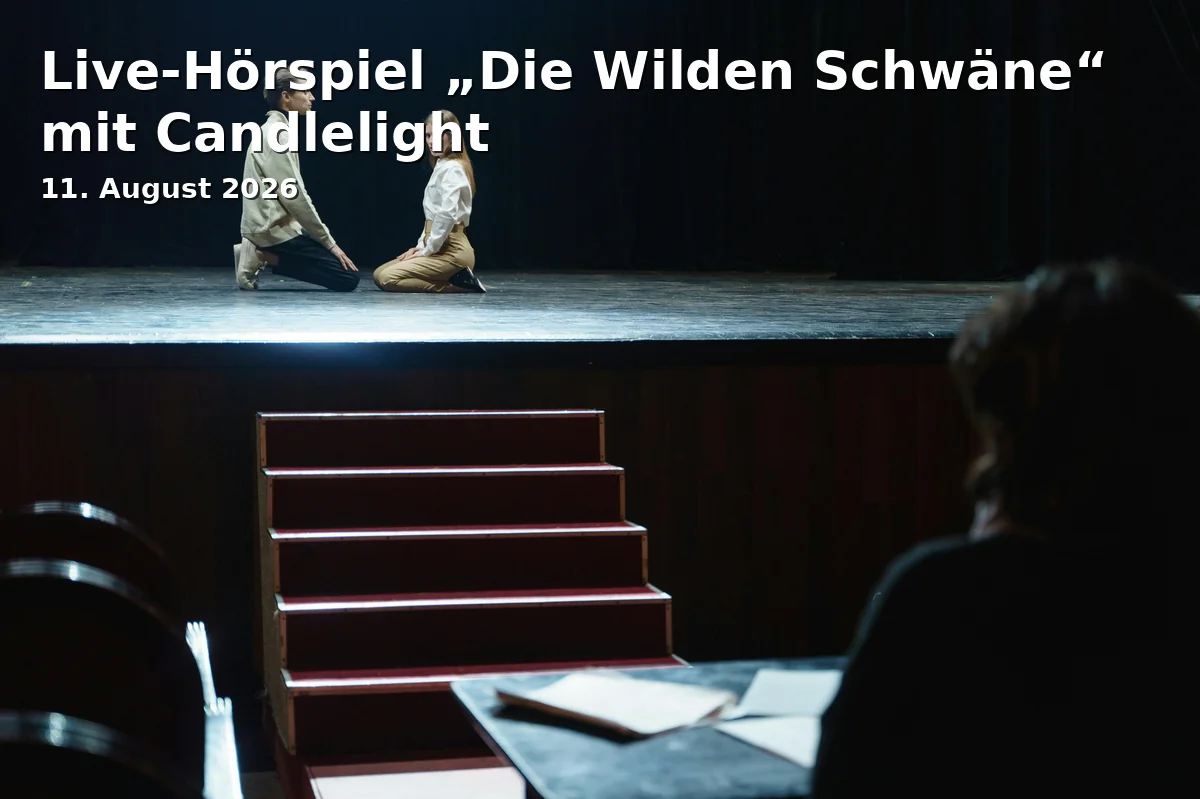
Live Audio Play 'The Wild Swans' with Candlelight
An exciting afternoon for families: live audio play and fairy-tale atmosphere in the Brühler Garten Erfurt.
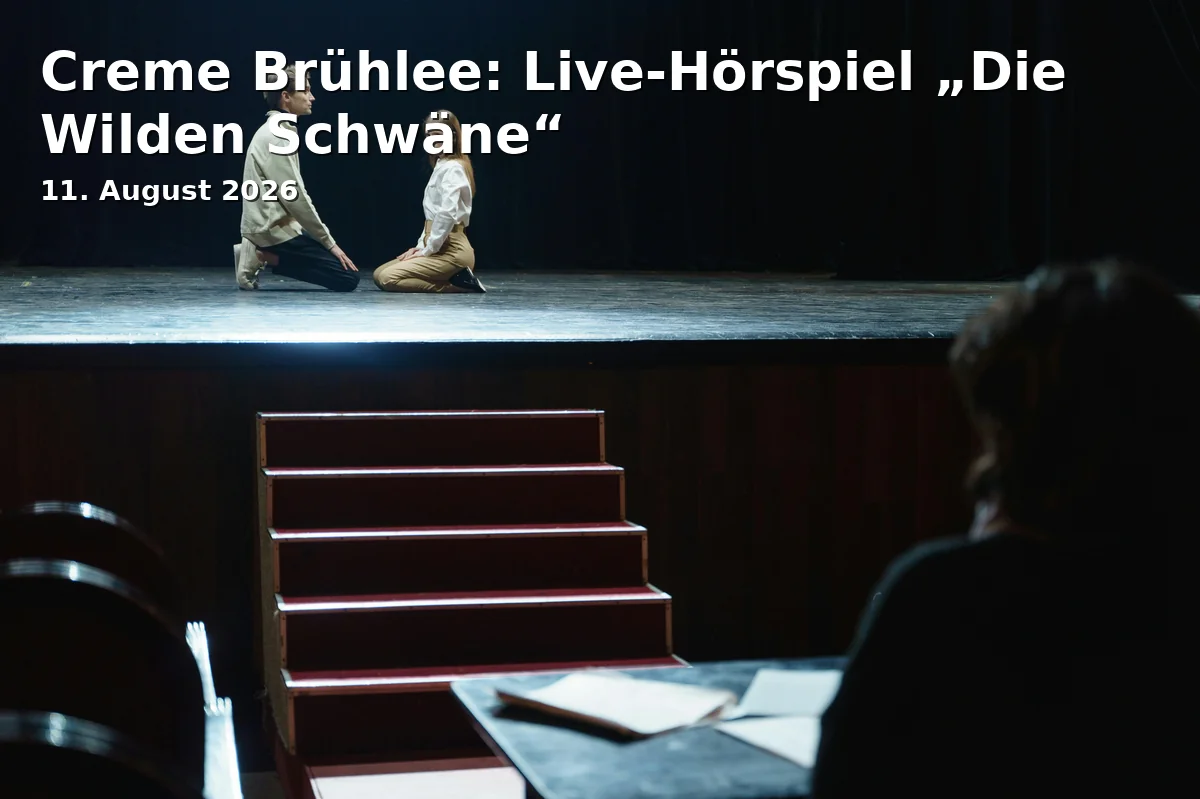
Creme Brühlee: Live Audio Play "The Wild Swans"
Enjoy the free live audio play "The Wild Swans" by Candlelight Dynamite, an exciting experience for children aged 4 and up.
Frequently Asked Questions
Reviews
Erica Frolova
4. June 2022
This park is small and quiet as a cemetery 🪦 because the Jewish people were buried here after World War II. In places where their graves still exist, they made a small garden 🪴. The biggest advantage of this place is a children's playground which is always covered by the shade of the old trees.
Paweł Wlaziński
20. May 2018
Small park, nothing special. Good for relaxing.
Oliver Rosée
24. August 2019
It's fine, but quite small and too popular with the large crowd of local alcoholics (a quarter of the population appears to be drinkers, drug addicts, or welfare recipients). Lots of empty bottles and garbage, but after cleaning, it's good for kids.
Felix Oliver
12. October 2019
Recommend avoiding this place on weekend evenings - the park gets completely taken over by groups of drunk and high people eating fast food and loudly playing commercial music from Spotify via their Bluetooth speakers. Overflowing bins with tons of rubbish, half-eaten fast food, and broken glass left lying around for days, a real eyesore for the city of Erfurt.
KBMac
15. December 2017
Nice little park. Good to have a rest and let the kids play.