
Erfurt
Waagegasse 8, 99084 Erfurt, Deutschland
Old Synagogue Erfurt | Opening Hours & Tickets
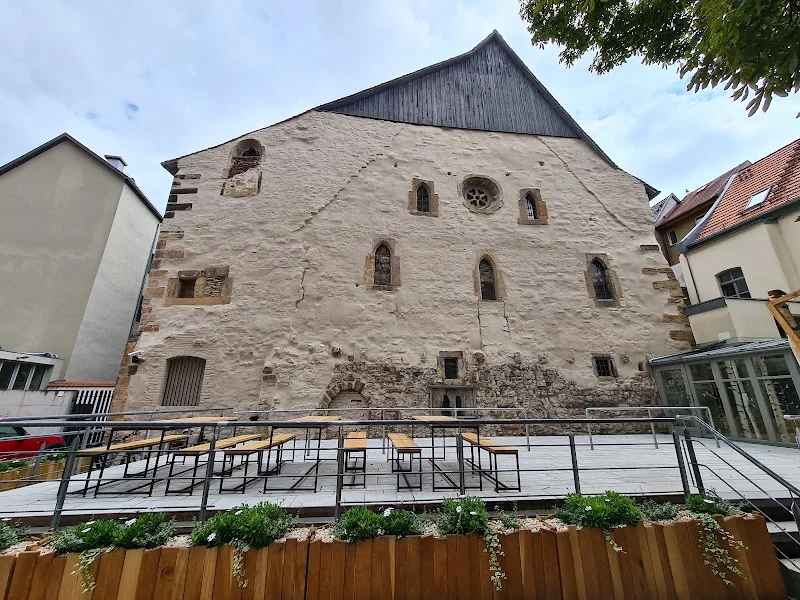
The Old Synagogue in Erfurt is an extraordinary place where medieval architecture, Jewish memory, and contemporary museum work come together. With components from the 11th century, it is one of the oldest synagogues in Central Europe preserved to the roof, and an exhibition that connects architectural history, the Erfurt treasure, and Hebrew manuscripts makes it one of the most impressive cultural sites in the city. Since September 17, 2023, it has been part of the UNESCO World Heritage along with the medieval mikveh and the Stone House. Visiting is not only a look into an important monument but also an encounter with the history of the first Jewish community in Erfurt, which has left visible traces in the city for centuries. Those who visit the Old Synagogue experience a place that is archaeologically, historically, and emotionally exceptional. ([juedisches-leben.erfurt.de](https://juedisches-leben.erfurt.de/jl/en/middle-ages/old_synagogue/index.html))
Opening Hours, Admission & Tickets
For many visitors, planning begins with practical questions about opening hours and admission, and here the Old Synagogue Erfurt is straightforward: The museum is closed on Mondays, and from Tuesday to Sunday it is open from 10 AM to 6 PM, with the last admission at 5:30 PM. This makes the visit suitable for both a planned museum tour in the morning and a late detour into the old town. Additionally, there are regular free admission days, as entry is free every first Tuesday of the month. So, those who can travel flexibly will find a good opportunity to experience the synagogue without ticket costs. ([juedisches-leben.erfurt.de](https://juedisches-leben.erfurt.de/jl/de/mittelalter/alte_synagoge/besucherinfo/index.html))
The admission prices are clearly structured and help in planning a family or group visit. Adults pay 8 euros, reduced admission costs 5 euros, the family ticket is 17 euros, and with the ErfurtCard, access is free. School classes and daycare groups within the framework of education receive free admission, although there is no guarantee for entry without prior registration. This mix of regular museum admission, family-friendly conditions, and educational offerings shows that the Old Synagogue is not only a monument but also an active place of learning. Especially because the exhibition connects historical depths with understandable communication, the admission is worthwhile not only for history fans but for everyone who wants to learn about Erfurt's Jewish heritage in a compact and very vivid context. ([juedisches-leben.erfurt.de](https://juedisches-leben.erfurt.de/jl/de/mittelalter/alte_synagoge/besucherinfo/index.html))
The regular visit is complemented by public tours that take place on Saturdays and Sundays and last about 90 minutes. These tours cost 8 euros or 5 euros reduced and are calculated as admission to the Old Synagogue. Those who prefer a structured presentation thus receive a very good introduction to the architectural history, the exhibition, and the Jewish history of the site. The museum also works with video guides and barrier-free formats, so the visit remains easily understandable on an individual basis. This combination is particularly helpful for first-time visitors, as the synagogue can be understood not only as a sight but as a historically multifaceted building. ([juedisches-leben.erfurt.de](https://juedisches-leben.erfurt.de/jl/de/mittelalter/alte_synagoge/besucherinfo/index.html))
Access and Parking in the Erfurt Old Town
The Old Synagogue is located in the middle of the historic Erfurt Old Town at Waagegasse 8, 99084 Erfurt, in an area that can be easily explored on foot. Those arriving by public transport can take tram lines 3, 4, or 6 to the Rathaus/Fischmarkt stop and reach the museum from there in about five minutes on foot. This is particularly convenient for day visitors, as the route is short and easy to understand, and the museum visit can be well integrated into a tour of the old town. The location near Fischmarkt and Rathaus makes access practical and central, without having to search long for the entrance. ([juedisches-leben.erfurt.de](https://juedisches-leben.erfurt.de/jl/en/middle-ages/old_synagogue/visitor_information/index.html))
There are also specific hints for drivers and travel groups from the official visitor information. For cars, the Rathausgasse parking lot is mentioned as a paid option, while tour buses can park at the Domplatz. So, those coming with family or in a group can plan the visit relatively well in advance. The central location in the city center is not connected to a large museum parking garage, but it is ideal for those who want to explore the old town on foot anyway. This makes the Old Synagogue a stop that connects excellently with other places in the historic city center. Based on the location near Fischmarkt and Rathausgasse, it is reasonable to incorporate the visit into a longer tour through Erfurt. ([juedisches-leben.erfurt.de](https://juedisches-leben.erfurt.de/jl/de/mittelalter/alte_synagoge/besucherinfo/index.html))
Another practical advantage is the good integration into the city's public transport network and the compact structure of the old town. Visitors can thus decide whether to arrive directly by tram, park at the edge of the city center by car, or experience the old town entirely on foot. Especially in conjunction with the medieval mikveh and the Stone House, a historical route emerges that is spatially dense and content-rich. Therefore, the Old Synagogue is not only a destination in itself but also a meaningful starting point for exploring the Jewish heritage in Erfurt. ([juedisches-leben.erfurt.de](https://juedisches-leben.erfurt.de/jl/en/middle-ages/old_synagogue/visitor_information/index.html))
Permanent Exhibition: Erfurt Treasure & Hebrew Manuscripts
The permanent exhibition of the Old Synagogue is deliberately divided into three parts and follows the logic of the building itself. The ground floor focuses on the construction and usage history. Here, the synagogue is understood as the most important exhibit, not just as a shell for objects but as the historical core of the entire narrative. A surrounding light cornice is still visible and partially recreated, the bima can be reconstructed from spolia, and a projection makes the Torah shrine tangible. The spatial separation between the men's and women's prayer halls is also made understandable by a glass wall. Those who look closely will not only recognize the building but also the historical function of the space. Three models illustrate the construction phases, and plans show the situation before and after the pogrom of 1349. Thus, architecture becomes storytelling. ([juedisches-leben.erfurt.de](https://juedisches-leben.erfurt.de/jl/de/bildung_forschung/ausstellungen/asynogoge/index.html))
The basement is the heart for all those interested in the Erfurt treasure. Here, the find is presented, which was most likely buried during the pogrom of 1349 and discovered in 1998 in the immediate vicinity of the synagogue, at Michaelisstraße 43/44. According to the museum's presentation, the treasure comprises about 28 kilograms, including 3141 silver coins, 14 silver bars, and more than 700 individual pieces of Gothic goldsmith's art. Particularly impressive is the golden Jewish wedding ring from the early 14th century, which is displayed as a unique piece in a central showcase. Additionally, there are silverware, brooches, rings, belt parts, and garment embellishments. The exhibition thus makes it clear that the Erfurt treasure is not only materially valuable but can also be read as a testimony to the Jewish everyday life, trade, and the social status of its owners. ([juedisches-leben.erfurt.de](https://juedisches-leben.erfurt.de/jl/de/bildung_forschung/ausstellungen/asynogoge/index.html))
Finally, the upper floor deals with the Erfurt Hebrew manuscripts, which make the spiritual life of the community visible. There, medieval manuscripts are shown as facsimiles, which originate from Erfurt and are now preserved in the State Library in Berlin. Among them is the so-called Bible Erfurt 1, a monumental work with two volumes, each weighing around 50 kilograms, which is considered the largest Hebrew parchment Bible manuscript. The original of the cover of the second volume is on display in the exhibition. The show thus clearly illustrates that the Erfurt community was not only religiously and economically significant but also operated at the highest cultural and intellectual level. For visitors, this creates a rare triad of architecture, treasure find, and written culture. ([juedisches-leben.erfurt.de](https://juedisches-leben.erfurt.de/jl/de/bildung_forschung/ausstellungen/asynogoge/index.html))
History of the Old Synagogue and UNESCO World Heritage
The historical depth of the Old Synagogue dates back to the 11th century. According to official information, the oldest construction traces can be dated to around 1094, and the synagogue is considered one of the largest and best-preserved synagogues of this early period. The construction history reflects the tumultuous history of the Jewish community in Erfurt: rise and flourishing, but also persecution and violent rupture. In 1349, this first community ended with the pogrom of March 21, and subsequently, the site was repurposed for centuries. Later, the building served among other things as a warehouse, inn, and dance hall. Ironically, these later uses caused the synagogue to fade from public perception for a long time and not to be destroyed during the Third Reich. Thus, an extraordinary architectural monument was preserved, whose layers are still readable today. ([juedisches-leben.erfurt.de](https://juedisches-leben.erfurt.de/jl/de/welterbe_werden/bewerbung/objekte/115994.html))
Particularly interesting is the development in the 19th century when the former synagogue space became a gastronomically used building with a dance hall. The upper wooden ceiling was removed and replaced by a surrounding gallery, a kitchen and dining room were created on the ground floor, and there were even two bowling alleys in the basement and on the ground floor. These construction phases are not just marginal notes but an essential part of the history of the house, as they show how a religious place transformed into a secular usage space. The Old Synagogue cannot therefore be read as a frozen monument but as a building with a long, visible biography. For many visitors, this mix of preservation and change is particularly appealing because the history remains recognizable not abstracted but in the masonry, in the rooms, and in the layering of usage. ([juedisches-leben.erfurt.de](https://juedisches-leben.erfurt.de/jl/de/mittelalter/alte_synagoge/geschichte/index.html))
Between 1999 and 2009, the building was extensively renovated and prepared for museum use. In doing so, it was deliberately decided to preserve the traces of the various uses rather than reverting the house to a single presumed original state. From 2003, the idea of a museum for the culture and history of the Jewish community in Erfurt during the Middle Ages was concretely pursued, and on October 27, 2009, the Old Synagogue Museum was opened. This decision is important because it not only conserves the site but has transformed it into a place of learning, research, and remembrance. Since September 17, 2023, the Old Synagogue, together with the mikveh and the Stone House, has been part of the UNESCO World Heritage. UNESCO thus honors an ensemble that makes the living environment of a medieval Jewish community in Central Europe visible in exceptional quality. ([juedisches-leben.erfurt.de](https://juedisches-leben.erfurt.de/jl/de/mittelalter/alte_synagoge/geschichte/index.html))
Guided Tours, Video Guide & Accessibility
If you want to experience the Old Synagogue Erfurt not alone but with a professionally guided perspective, you will find good conditions. The public tours of the Old Synagogue take place on Saturdays and Sundays, start at 10:15 AM, and last about 90 minutes. The meeting point is the Old Synagogue, and the tour is included with the admission to the house. For many guests, this is the best way to understand the many layers of the site, as architectural history, treasure find, manuscripts, and Jewish life are brought together. Especially for a monument that is not self-explanatory at first glance, such formats help enormously to not only see the exhibition but to grasp it in content. ([juedisches-leben.erfurt.de](https://juedisches-leben.erfurt.de/jl/de/mittelalter/alte_synagoge/besucherinfo/index.html))
The individual visiting offers are also remarkably well developed. A video guide is offered free of charge in conjunction with the exhibition, which is issued against a deposit and is available in German, English, and French, as well as in versions for adults and children. This is particularly practical for international visitors and families, as the tour can be adapted according to prior knowledge and language needs. Additionally, all exhibition spaces are accessible by lift, and the video guide can also be used by hearing-impaired persons via an induction loop. For visually impaired guests, a tactile tour can be booked through museum education. These measures make the Old Synagogue a place where inclusion is not only claimed but concretely implemented. ([juedisches-leben.erfurt.de](https://juedisches-leben.erfurt.de/jl/de/mittelalter/alte_synagoge/besucherinfo/index.html))
Furthermore, the museum is also strongly anchored as an educational place. The official website refers to exploration sheets for children and school groups as well as other museum educational offerings that translate the visit into a learning process. School classes and daycare groups within the framework of education have free admission, and the Old Synagogue is explicitly anchored as an extracurricular learning location in the urban educational context. This makes the house relevant not only for tourists but also for Erfurt schools, projects, and groups that want to convey Jewish history at an authentic location. So, those traveling with children, teenagers, or mixed groups will find a solid combination of knowledge, accessibility, and clear structure here. ([juedisches-leben.erfurt.de](https://juedisches-leben.erfurt.de/jl/de/bildung_forschung/bildungsangebote/kinder/116916.html?utm_source=openai))
Jewish Life in Erfurt around the Old Synagogue, Mikveh & Quarter
The Old Synagogue is part of a larger historical context that is consciously told in Erfurt as a network. The Jewish Life Erfurt network connects places of Jewish history and present, making about 1000 years of German-Jewish history tangible. In addition to the Old Synagogue, this includes the medieval mikveh, the meeting place Kleine Synagoge, and the New Synagogue as the religious center of the Jewish State Community of Thuringia. This concept is particularly helpful for visitors as it does not treat the individual places in isolation but makes their connections visible. Understanding the Old Synagogue allows for a much deeper understanding of the other sites. ([juedisches-leben.erfurt.de](https://juedisches-leben.erfurt.de/jl/de/heute/netzwerk-juedisches-leben/index.html?utm_source=openai))
In the urban and tourist context, the Old Synagogue is thus the obvious starting point for a historically dense route through the Jewish heritage of the old town. Together with the mikveh and the Stone House, it forms the core of the UNESCO World Heritage of 2023, which UNESCO describes as an extraordinary testimony to Jewish religious and everyday culture in medieval Central Europe. The location in the old town, the good accessibility via tram, and the proximity to other historical points make it easy to combine the visit with a tour through Erfurt. Those interested in Jewish history can experience very different levels in a single day: architectural preservation, archaeological finds, written culture, memorial work, and current museum communication. This is precisely where the special strength of the Old Synagogue Erfurt lies: it is not just a single monument but the vibrant center of an entire historical narrative space. ([whc.unesco.org](https://whc.unesco.org/en/list/1656/?utm_source=openai))
Moreover, the Old Synagogue shows how closely history and the present can remain connected. The regular lectures of the series Arain! The Erfurt Synagogue Evening, the changing special exhibitions, and the educational formats make it clear that here not only preservation takes place but also research, discussion, and communication. Therefore, those who visit the Old Synagogue do not encounter a closed chapter but a cultural place where Jewish life in Erfurt is continually retold and contextualized. This makes the visit interesting even for repeat visits, as new perspectives can arise depending on the exhibition, tour, or occasion. For travelers seeking sustainable cultural impressions, this is a strong reason to not only take a brief look at this place in Erfurt but to truly plan for it. ([juedisches-leben.erfurt.de](https://juedisches-leben.erfurt.de/))
Sources:
Show moreShow less
Old Synagogue Erfurt | Opening Hours & Tickets
The Old Synagogue in Erfurt is an extraordinary place where medieval architecture, Jewish memory, and contemporary museum work come together. With components from the 11th century, it is one of the oldest synagogues in Central Europe preserved to the roof, and an exhibition that connects architectural history, the Erfurt treasure, and Hebrew manuscripts makes it one of the most impressive cultural sites in the city. Since September 17, 2023, it has been part of the UNESCO World Heritage along with the medieval mikveh and the Stone House. Visiting is not only a look into an important monument but also an encounter with the history of the first Jewish community in Erfurt, which has left visible traces in the city for centuries. Those who visit the Old Synagogue experience a place that is archaeologically, historically, and emotionally exceptional. ([juedisches-leben.erfurt.de](https://juedisches-leben.erfurt.de/jl/en/middle-ages/old_synagogue/index.html))
Opening Hours, Admission & Tickets
For many visitors, planning begins with practical questions about opening hours and admission, and here the Old Synagogue Erfurt is straightforward: The museum is closed on Mondays, and from Tuesday to Sunday it is open from 10 AM to 6 PM, with the last admission at 5:30 PM. This makes the visit suitable for both a planned museum tour in the morning and a late detour into the old town. Additionally, there are regular free admission days, as entry is free every first Tuesday of the month. So, those who can travel flexibly will find a good opportunity to experience the synagogue without ticket costs. ([juedisches-leben.erfurt.de](https://juedisches-leben.erfurt.de/jl/de/mittelalter/alte_synagoge/besucherinfo/index.html))
The admission prices are clearly structured and help in planning a family or group visit. Adults pay 8 euros, reduced admission costs 5 euros, the family ticket is 17 euros, and with the ErfurtCard, access is free. School classes and daycare groups within the framework of education receive free admission, although there is no guarantee for entry without prior registration. This mix of regular museum admission, family-friendly conditions, and educational offerings shows that the Old Synagogue is not only a monument but also an active place of learning. Especially because the exhibition connects historical depths with understandable communication, the admission is worthwhile not only for history fans but for everyone who wants to learn about Erfurt's Jewish heritage in a compact and very vivid context. ([juedisches-leben.erfurt.de](https://juedisches-leben.erfurt.de/jl/de/mittelalter/alte_synagoge/besucherinfo/index.html))
The regular visit is complemented by public tours that take place on Saturdays and Sundays and last about 90 minutes. These tours cost 8 euros or 5 euros reduced and are calculated as admission to the Old Synagogue. Those who prefer a structured presentation thus receive a very good introduction to the architectural history, the exhibition, and the Jewish history of the site. The museum also works with video guides and barrier-free formats, so the visit remains easily understandable on an individual basis. This combination is particularly helpful for first-time visitors, as the synagogue can be understood not only as a sight but as a historically multifaceted building. ([juedisches-leben.erfurt.de](https://juedisches-leben.erfurt.de/jl/de/mittelalter/alte_synagoge/besucherinfo/index.html))
Access and Parking in the Erfurt Old Town
The Old Synagogue is located in the middle of the historic Erfurt Old Town at Waagegasse 8, 99084 Erfurt, in an area that can be easily explored on foot. Those arriving by public transport can take tram lines 3, 4, or 6 to the Rathaus/Fischmarkt stop and reach the museum from there in about five minutes on foot. This is particularly convenient for day visitors, as the route is short and easy to understand, and the museum visit can be well integrated into a tour of the old town. The location near Fischmarkt and Rathaus makes access practical and central, without having to search long for the entrance. ([juedisches-leben.erfurt.de](https://juedisches-leben.erfurt.de/jl/en/middle-ages/old_synagogue/visitor_information/index.html))
There are also specific hints for drivers and travel groups from the official visitor information. For cars, the Rathausgasse parking lot is mentioned as a paid option, while tour buses can park at the Domplatz. So, those coming with family or in a group can plan the visit relatively well in advance. The central location in the city center is not connected to a large museum parking garage, but it is ideal for those who want to explore the old town on foot anyway. This makes the Old Synagogue a stop that connects excellently with other places in the historic city center. Based on the location near Fischmarkt and Rathausgasse, it is reasonable to incorporate the visit into a longer tour through Erfurt. ([juedisches-leben.erfurt.de](https://juedisches-leben.erfurt.de/jl/de/mittelalter/alte_synagoge/besucherinfo/index.html))
Another practical advantage is the good integration into the city's public transport network and the compact structure of the old town. Visitors can thus decide whether to arrive directly by tram, park at the edge of the city center by car, or experience the old town entirely on foot. Especially in conjunction with the medieval mikveh and the Stone House, a historical route emerges that is spatially dense and content-rich. Therefore, the Old Synagogue is not only a destination in itself but also a meaningful starting point for exploring the Jewish heritage in Erfurt. ([juedisches-leben.erfurt.de](https://juedisches-leben.erfurt.de/jl/en/middle-ages/old_synagogue/visitor_information/index.html))
Permanent Exhibition: Erfurt Treasure & Hebrew Manuscripts
The permanent exhibition of the Old Synagogue is deliberately divided into three parts and follows the logic of the building itself. The ground floor focuses on the construction and usage history. Here, the synagogue is understood as the most important exhibit, not just as a shell for objects but as the historical core of the entire narrative. A surrounding light cornice is still visible and partially recreated, the bima can be reconstructed from spolia, and a projection makes the Torah shrine tangible. The spatial separation between the men's and women's prayer halls is also made understandable by a glass wall. Those who look closely will not only recognize the building but also the historical function of the space. Three models illustrate the construction phases, and plans show the situation before and after the pogrom of 1349. Thus, architecture becomes storytelling. ([juedisches-leben.erfurt.de](https://juedisches-leben.erfurt.de/jl/de/bildung_forschung/ausstellungen/asynogoge/index.html))
The basement is the heart for all those interested in the Erfurt treasure. Here, the find is presented, which was most likely buried during the pogrom of 1349 and discovered in 1998 in the immediate vicinity of the synagogue, at Michaelisstraße 43/44. According to the museum's presentation, the treasure comprises about 28 kilograms, including 3141 silver coins, 14 silver bars, and more than 700 individual pieces of Gothic goldsmith's art. Particularly impressive is the golden Jewish wedding ring from the early 14th century, which is displayed as a unique piece in a central showcase. Additionally, there are silverware, brooches, rings, belt parts, and garment embellishments. The exhibition thus makes it clear that the Erfurt treasure is not only materially valuable but can also be read as a testimony to the Jewish everyday life, trade, and the social status of its owners. ([juedisches-leben.erfurt.de](https://juedisches-leben.erfurt.de/jl/de/bildung_forschung/ausstellungen/asynogoge/index.html))
Finally, the upper floor deals with the Erfurt Hebrew manuscripts, which make the spiritual life of the community visible. There, medieval manuscripts are shown as facsimiles, which originate from Erfurt and are now preserved in the State Library in Berlin. Among them is the so-called Bible Erfurt 1, a monumental work with two volumes, each weighing around 50 kilograms, which is considered the largest Hebrew parchment Bible manuscript. The original of the cover of the second volume is on display in the exhibition. The show thus clearly illustrates that the Erfurt community was not only religiously and economically significant but also operated at the highest cultural and intellectual level. For visitors, this creates a rare triad of architecture, treasure find, and written culture. ([juedisches-leben.erfurt.de](https://juedisches-leben.erfurt.de/jl/de/bildung_forschung/ausstellungen/asynogoge/index.html))
History of the Old Synagogue and UNESCO World Heritage
The historical depth of the Old Synagogue dates back to the 11th century. According to official information, the oldest construction traces can be dated to around 1094, and the synagogue is considered one of the largest and best-preserved synagogues of this early period. The construction history reflects the tumultuous history of the Jewish community in Erfurt: rise and flourishing, but also persecution and violent rupture. In 1349, this first community ended with the pogrom of March 21, and subsequently, the site was repurposed for centuries. Later, the building served among other things as a warehouse, inn, and dance hall. Ironically, these later uses caused the synagogue to fade from public perception for a long time and not to be destroyed during the Third Reich. Thus, an extraordinary architectural monument was preserved, whose layers are still readable today. ([juedisches-leben.erfurt.de](https://juedisches-leben.erfurt.de/jl/de/welterbe_werden/bewerbung/objekte/115994.html))
Particularly interesting is the development in the 19th century when the former synagogue space became a gastronomically used building with a dance hall. The upper wooden ceiling was removed and replaced by a surrounding gallery, a kitchen and dining room were created on the ground floor, and there were even two bowling alleys in the basement and on the ground floor. These construction phases are not just marginal notes but an essential part of the history of the house, as they show how a religious place transformed into a secular usage space. The Old Synagogue cannot therefore be read as a frozen monument but as a building with a long, visible biography. For many visitors, this mix of preservation and change is particularly appealing because the history remains recognizable not abstracted but in the masonry, in the rooms, and in the layering of usage. ([juedisches-leben.erfurt.de](https://juedisches-leben.erfurt.de/jl/de/mittelalter/alte_synagoge/geschichte/index.html))
Between 1999 and 2009, the building was extensively renovated and prepared for museum use. In doing so, it was deliberately decided to preserve the traces of the various uses rather than reverting the house to a single presumed original state. From 2003, the idea of a museum for the culture and history of the Jewish community in Erfurt during the Middle Ages was concretely pursued, and on October 27, 2009, the Old Synagogue Museum was opened. This decision is important because it not only conserves the site but has transformed it into a place of learning, research, and remembrance. Since September 17, 2023, the Old Synagogue, together with the mikveh and the Stone House, has been part of the UNESCO World Heritage. UNESCO thus honors an ensemble that makes the living environment of a medieval Jewish community in Central Europe visible in exceptional quality. ([juedisches-leben.erfurt.de](https://juedisches-leben.erfurt.de/jl/de/mittelalter/alte_synagoge/geschichte/index.html))
Guided Tours, Video Guide & Accessibility
If you want to experience the Old Synagogue Erfurt not alone but with a professionally guided perspective, you will find good conditions. The public tours of the Old Synagogue take place on Saturdays and Sundays, start at 10:15 AM, and last about 90 minutes. The meeting point is the Old Synagogue, and the tour is included with the admission to the house. For many guests, this is the best way to understand the many layers of the site, as architectural history, treasure find, manuscripts, and Jewish life are brought together. Especially for a monument that is not self-explanatory at first glance, such formats help enormously to not only see the exhibition but to grasp it in content. ([juedisches-leben.erfurt.de](https://juedisches-leben.erfurt.de/jl/de/mittelalter/alte_synagoge/besucherinfo/index.html))
The individual visiting offers are also remarkably well developed. A video guide is offered free of charge in conjunction with the exhibition, which is issued against a deposit and is available in German, English, and French, as well as in versions for adults and children. This is particularly practical for international visitors and families, as the tour can be adapted according to prior knowledge and language needs. Additionally, all exhibition spaces are accessible by lift, and the video guide can also be used by hearing-impaired persons via an induction loop. For visually impaired guests, a tactile tour can be booked through museum education. These measures make the Old Synagogue a place where inclusion is not only claimed but concretely implemented. ([juedisches-leben.erfurt.de](https://juedisches-leben.erfurt.de/jl/de/mittelalter/alte_synagoge/besucherinfo/index.html))
Furthermore, the museum is also strongly anchored as an educational place. The official website refers to exploration sheets for children and school groups as well as other museum educational offerings that translate the visit into a learning process. School classes and daycare groups within the framework of education have free admission, and the Old Synagogue is explicitly anchored as an extracurricular learning location in the urban educational context. This makes the house relevant not only for tourists but also for Erfurt schools, projects, and groups that want to convey Jewish history at an authentic location. So, those traveling with children, teenagers, or mixed groups will find a solid combination of knowledge, accessibility, and clear structure here. ([juedisches-leben.erfurt.de](https://juedisches-leben.erfurt.de/jl/de/bildung_forschung/bildungsangebote/kinder/116916.html?utm_source=openai))
Jewish Life in Erfurt around the Old Synagogue, Mikveh & Quarter
The Old Synagogue is part of a larger historical context that is consciously told in Erfurt as a network. The Jewish Life Erfurt network connects places of Jewish history and present, making about 1000 years of German-Jewish history tangible. In addition to the Old Synagogue, this includes the medieval mikveh, the meeting place Kleine Synagoge, and the New Synagogue as the religious center of the Jewish State Community of Thuringia. This concept is particularly helpful for visitors as it does not treat the individual places in isolation but makes their connections visible. Understanding the Old Synagogue allows for a much deeper understanding of the other sites. ([juedisches-leben.erfurt.de](https://juedisches-leben.erfurt.de/jl/de/heute/netzwerk-juedisches-leben/index.html?utm_source=openai))
In the urban and tourist context, the Old Synagogue is thus the obvious starting point for a historically dense route through the Jewish heritage of the old town. Together with the mikveh and the Stone House, it forms the core of the UNESCO World Heritage of 2023, which UNESCO describes as an extraordinary testimony to Jewish religious and everyday culture in medieval Central Europe. The location in the old town, the good accessibility via tram, and the proximity to other historical points make it easy to combine the visit with a tour through Erfurt. Those interested in Jewish history can experience very different levels in a single day: architectural preservation, archaeological finds, written culture, memorial work, and current museum communication. This is precisely where the special strength of the Old Synagogue Erfurt lies: it is not just a single monument but the vibrant center of an entire historical narrative space. ([whc.unesco.org](https://whc.unesco.org/en/list/1656/?utm_source=openai))
Moreover, the Old Synagogue shows how closely history and the present can remain connected. The regular lectures of the series Arain! The Erfurt Synagogue Evening, the changing special exhibitions, and the educational formats make it clear that here not only preservation takes place but also research, discussion, and communication. Therefore, those who visit the Old Synagogue do not encounter a closed chapter but a cultural place where Jewish life in Erfurt is continually retold and contextualized. This makes the visit interesting even for repeat visits, as new perspectives can arise depending on the exhibition, tour, or occasion. For travelers seeking sustainable cultural impressions, this is a strong reason to not only take a brief look at this place in Erfurt but to truly plan for it. ([juedisches-leben.erfurt.de](https://juedisches-leben.erfurt.de/))
Sources:
Old Synagogue Erfurt | Opening Hours & Tickets
The Old Synagogue in Erfurt is an extraordinary place where medieval architecture, Jewish memory, and contemporary museum work come together. With components from the 11th century, it is one of the oldest synagogues in Central Europe preserved to the roof, and an exhibition that connects architectural history, the Erfurt treasure, and Hebrew manuscripts makes it one of the most impressive cultural sites in the city. Since September 17, 2023, it has been part of the UNESCO World Heritage along with the medieval mikveh and the Stone House. Visiting is not only a look into an important monument but also an encounter with the history of the first Jewish community in Erfurt, which has left visible traces in the city for centuries. Those who visit the Old Synagogue experience a place that is archaeologically, historically, and emotionally exceptional. ([juedisches-leben.erfurt.de](https://juedisches-leben.erfurt.de/jl/en/middle-ages/old_synagogue/index.html))
Opening Hours, Admission & Tickets
For many visitors, planning begins with practical questions about opening hours and admission, and here the Old Synagogue Erfurt is straightforward: The museum is closed on Mondays, and from Tuesday to Sunday it is open from 10 AM to 6 PM, with the last admission at 5:30 PM. This makes the visit suitable for both a planned museum tour in the morning and a late detour into the old town. Additionally, there are regular free admission days, as entry is free every first Tuesday of the month. So, those who can travel flexibly will find a good opportunity to experience the synagogue without ticket costs. ([juedisches-leben.erfurt.de](https://juedisches-leben.erfurt.de/jl/de/mittelalter/alte_synagoge/besucherinfo/index.html))
The admission prices are clearly structured and help in planning a family or group visit. Adults pay 8 euros, reduced admission costs 5 euros, the family ticket is 17 euros, and with the ErfurtCard, access is free. School classes and daycare groups within the framework of education receive free admission, although there is no guarantee for entry without prior registration. This mix of regular museum admission, family-friendly conditions, and educational offerings shows that the Old Synagogue is not only a monument but also an active place of learning. Especially because the exhibition connects historical depths with understandable communication, the admission is worthwhile not only for history fans but for everyone who wants to learn about Erfurt's Jewish heritage in a compact and very vivid context. ([juedisches-leben.erfurt.de](https://juedisches-leben.erfurt.de/jl/de/mittelalter/alte_synagoge/besucherinfo/index.html))
The regular visit is complemented by public tours that take place on Saturdays and Sundays and last about 90 minutes. These tours cost 8 euros or 5 euros reduced and are calculated as admission to the Old Synagogue. Those who prefer a structured presentation thus receive a very good introduction to the architectural history, the exhibition, and the Jewish history of the site. The museum also works with video guides and barrier-free formats, so the visit remains easily understandable on an individual basis. This combination is particularly helpful for first-time visitors, as the synagogue can be understood not only as a sight but as a historically multifaceted building. ([juedisches-leben.erfurt.de](https://juedisches-leben.erfurt.de/jl/de/mittelalter/alte_synagoge/besucherinfo/index.html))
Access and Parking in the Erfurt Old Town
The Old Synagogue is located in the middle of the historic Erfurt Old Town at Waagegasse 8, 99084 Erfurt, in an area that can be easily explored on foot. Those arriving by public transport can take tram lines 3, 4, or 6 to the Rathaus/Fischmarkt stop and reach the museum from there in about five minutes on foot. This is particularly convenient for day visitors, as the route is short and easy to understand, and the museum visit can be well integrated into a tour of the old town. The location near Fischmarkt and Rathaus makes access practical and central, without having to search long for the entrance. ([juedisches-leben.erfurt.de](https://juedisches-leben.erfurt.de/jl/en/middle-ages/old_synagogue/visitor_information/index.html))
There are also specific hints for drivers and travel groups from the official visitor information. For cars, the Rathausgasse parking lot is mentioned as a paid option, while tour buses can park at the Domplatz. So, those coming with family or in a group can plan the visit relatively well in advance. The central location in the city center is not connected to a large museum parking garage, but it is ideal for those who want to explore the old town on foot anyway. This makes the Old Synagogue a stop that connects excellently with other places in the historic city center. Based on the location near Fischmarkt and Rathausgasse, it is reasonable to incorporate the visit into a longer tour through Erfurt. ([juedisches-leben.erfurt.de](https://juedisches-leben.erfurt.de/jl/de/mittelalter/alte_synagoge/besucherinfo/index.html))
Another practical advantage is the good integration into the city's public transport network and the compact structure of the old town. Visitors can thus decide whether to arrive directly by tram, park at the edge of the city center by car, or experience the old town entirely on foot. Especially in conjunction with the medieval mikveh and the Stone House, a historical route emerges that is spatially dense and content-rich. Therefore, the Old Synagogue is not only a destination in itself but also a meaningful starting point for exploring the Jewish heritage in Erfurt. ([juedisches-leben.erfurt.de](https://juedisches-leben.erfurt.de/jl/en/middle-ages/old_synagogue/visitor_information/index.html))
Permanent Exhibition: Erfurt Treasure & Hebrew Manuscripts
The permanent exhibition of the Old Synagogue is deliberately divided into three parts and follows the logic of the building itself. The ground floor focuses on the construction and usage history. Here, the synagogue is understood as the most important exhibit, not just as a shell for objects but as the historical core of the entire narrative. A surrounding light cornice is still visible and partially recreated, the bima can be reconstructed from spolia, and a projection makes the Torah shrine tangible. The spatial separation between the men's and women's prayer halls is also made understandable by a glass wall. Those who look closely will not only recognize the building but also the historical function of the space. Three models illustrate the construction phases, and plans show the situation before and after the pogrom of 1349. Thus, architecture becomes storytelling. ([juedisches-leben.erfurt.de](https://juedisches-leben.erfurt.de/jl/de/bildung_forschung/ausstellungen/asynogoge/index.html))
The basement is the heart for all those interested in the Erfurt treasure. Here, the find is presented, which was most likely buried during the pogrom of 1349 and discovered in 1998 in the immediate vicinity of the synagogue, at Michaelisstraße 43/44. According to the museum's presentation, the treasure comprises about 28 kilograms, including 3141 silver coins, 14 silver bars, and more than 700 individual pieces of Gothic goldsmith's art. Particularly impressive is the golden Jewish wedding ring from the early 14th century, which is displayed as a unique piece in a central showcase. Additionally, there are silverware, brooches, rings, belt parts, and garment embellishments. The exhibition thus makes it clear that the Erfurt treasure is not only materially valuable but can also be read as a testimony to the Jewish everyday life, trade, and the social status of its owners. ([juedisches-leben.erfurt.de](https://juedisches-leben.erfurt.de/jl/de/bildung_forschung/ausstellungen/asynogoge/index.html))
Finally, the upper floor deals with the Erfurt Hebrew manuscripts, which make the spiritual life of the community visible. There, medieval manuscripts are shown as facsimiles, which originate from Erfurt and are now preserved in the State Library in Berlin. Among them is the so-called Bible Erfurt 1, a monumental work with two volumes, each weighing around 50 kilograms, which is considered the largest Hebrew parchment Bible manuscript. The original of the cover of the second volume is on display in the exhibition. The show thus clearly illustrates that the Erfurt community was not only religiously and economically significant but also operated at the highest cultural and intellectual level. For visitors, this creates a rare triad of architecture, treasure find, and written culture. ([juedisches-leben.erfurt.de](https://juedisches-leben.erfurt.de/jl/de/bildung_forschung/ausstellungen/asynogoge/index.html))
History of the Old Synagogue and UNESCO World Heritage
The historical depth of the Old Synagogue dates back to the 11th century. According to official information, the oldest construction traces can be dated to around 1094, and the synagogue is considered one of the largest and best-preserved synagogues of this early period. The construction history reflects the tumultuous history of the Jewish community in Erfurt: rise and flourishing, but also persecution and violent rupture. In 1349, this first community ended with the pogrom of March 21, and subsequently, the site was repurposed for centuries. Later, the building served among other things as a warehouse, inn, and dance hall. Ironically, these later uses caused the synagogue to fade from public perception for a long time and not to be destroyed during the Third Reich. Thus, an extraordinary architectural monument was preserved, whose layers are still readable today. ([juedisches-leben.erfurt.de](https://juedisches-leben.erfurt.de/jl/de/welterbe_werden/bewerbung/objekte/115994.html))
Particularly interesting is the development in the 19th century when the former synagogue space became a gastronomically used building with a dance hall. The upper wooden ceiling was removed and replaced by a surrounding gallery, a kitchen and dining room were created on the ground floor, and there were even two bowling alleys in the basement and on the ground floor. These construction phases are not just marginal notes but an essential part of the history of the house, as they show how a religious place transformed into a secular usage space. The Old Synagogue cannot therefore be read as a frozen monument but as a building with a long, visible biography. For many visitors, this mix of preservation and change is particularly appealing because the history remains recognizable not abstracted but in the masonry, in the rooms, and in the layering of usage. ([juedisches-leben.erfurt.de](https://juedisches-leben.erfurt.de/jl/de/mittelalter/alte_synagoge/geschichte/index.html))
Between 1999 and 2009, the building was extensively renovated and prepared for museum use. In doing so, it was deliberately decided to preserve the traces of the various uses rather than reverting the house to a single presumed original state. From 2003, the idea of a museum for the culture and history of the Jewish community in Erfurt during the Middle Ages was concretely pursued, and on October 27, 2009, the Old Synagogue Museum was opened. This decision is important because it not only conserves the site but has transformed it into a place of learning, research, and remembrance. Since September 17, 2023, the Old Synagogue, together with the mikveh and the Stone House, has been part of the UNESCO World Heritage. UNESCO thus honors an ensemble that makes the living environment of a medieval Jewish community in Central Europe visible in exceptional quality. ([juedisches-leben.erfurt.de](https://juedisches-leben.erfurt.de/jl/de/mittelalter/alte_synagoge/geschichte/index.html))
Guided Tours, Video Guide & Accessibility
If you want to experience the Old Synagogue Erfurt not alone but with a professionally guided perspective, you will find good conditions. The public tours of the Old Synagogue take place on Saturdays and Sundays, start at 10:15 AM, and last about 90 minutes. The meeting point is the Old Synagogue, and the tour is included with the admission to the house. For many guests, this is the best way to understand the many layers of the site, as architectural history, treasure find, manuscripts, and Jewish life are brought together. Especially for a monument that is not self-explanatory at first glance, such formats help enormously to not only see the exhibition but to grasp it in content. ([juedisches-leben.erfurt.de](https://juedisches-leben.erfurt.de/jl/de/mittelalter/alte_synagoge/besucherinfo/index.html))
The individual visiting offers are also remarkably well developed. A video guide is offered free of charge in conjunction with the exhibition, which is issued against a deposit and is available in German, English, and French, as well as in versions for adults and children. This is particularly practical for international visitors and families, as the tour can be adapted according to prior knowledge and language needs. Additionally, all exhibition spaces are accessible by lift, and the video guide can also be used by hearing-impaired persons via an induction loop. For visually impaired guests, a tactile tour can be booked through museum education. These measures make the Old Synagogue a place where inclusion is not only claimed but concretely implemented. ([juedisches-leben.erfurt.de](https://juedisches-leben.erfurt.de/jl/de/mittelalter/alte_synagoge/besucherinfo/index.html))
Furthermore, the museum is also strongly anchored as an educational place. The official website refers to exploration sheets for children and school groups as well as other museum educational offerings that translate the visit into a learning process. School classes and daycare groups within the framework of education have free admission, and the Old Synagogue is explicitly anchored as an extracurricular learning location in the urban educational context. This makes the house relevant not only for tourists but also for Erfurt schools, projects, and groups that want to convey Jewish history at an authentic location. So, those traveling with children, teenagers, or mixed groups will find a solid combination of knowledge, accessibility, and clear structure here. ([juedisches-leben.erfurt.de](https://juedisches-leben.erfurt.de/jl/de/bildung_forschung/bildungsangebote/kinder/116916.html?utm_source=openai))
Jewish Life in Erfurt around the Old Synagogue, Mikveh & Quarter
The Old Synagogue is part of a larger historical context that is consciously told in Erfurt as a network. The Jewish Life Erfurt network connects places of Jewish history and present, making about 1000 years of German-Jewish history tangible. In addition to the Old Synagogue, this includes the medieval mikveh, the meeting place Kleine Synagoge, and the New Synagogue as the religious center of the Jewish State Community of Thuringia. This concept is particularly helpful for visitors as it does not treat the individual places in isolation but makes their connections visible. Understanding the Old Synagogue allows for a much deeper understanding of the other sites. ([juedisches-leben.erfurt.de](https://juedisches-leben.erfurt.de/jl/de/heute/netzwerk-juedisches-leben/index.html?utm_source=openai))
In the urban and tourist context, the Old Synagogue is thus the obvious starting point for a historically dense route through the Jewish heritage of the old town. Together with the mikveh and the Stone House, it forms the core of the UNESCO World Heritage of 2023, which UNESCO describes as an extraordinary testimony to Jewish religious and everyday culture in medieval Central Europe. The location in the old town, the good accessibility via tram, and the proximity to other historical points make it easy to combine the visit with a tour through Erfurt. Those interested in Jewish history can experience very different levels in a single day: architectural preservation, archaeological finds, written culture, memorial work, and current museum communication. This is precisely where the special strength of the Old Synagogue Erfurt lies: it is not just a single monument but the vibrant center of an entire historical narrative space. ([whc.unesco.org](https://whc.unesco.org/en/list/1656/?utm_source=openai))
Moreover, the Old Synagogue shows how closely history and the present can remain connected. The regular lectures of the series Arain! The Erfurt Synagogue Evening, the changing special exhibitions, and the educational formats make it clear that here not only preservation takes place but also research, discussion, and communication. Therefore, those who visit the Old Synagogue do not encounter a closed chapter but a cultural place where Jewish life in Erfurt is continually retold and contextualized. This makes the visit interesting even for repeat visits, as new perspectives can arise depending on the exhibition, tour, or occasion. For travelers seeking sustainable cultural impressions, this is a strong reason to not only take a brief look at this place in Erfurt but to truly plan for it. ([juedisches-leben.erfurt.de](https://juedisches-leben.erfurt.de/))
Sources:
Upcoming Events

Public Tours of the Old Synagogue
Experience Erfurt's Jewish heritage in the Old Synagogue and Mikveh: historic, impressive, UNESCO-shaped. 28.06.2026 from 10:15 AM. Book now. #Erfurt
Educational Offer on the Nazi Book Burnings and their Significance for the Destruction of Democracy
93 years after the book burning in Erfurt on June 29, 1933, young people from grade 9 onwards can participate in one of two seminars at the memorial site, …
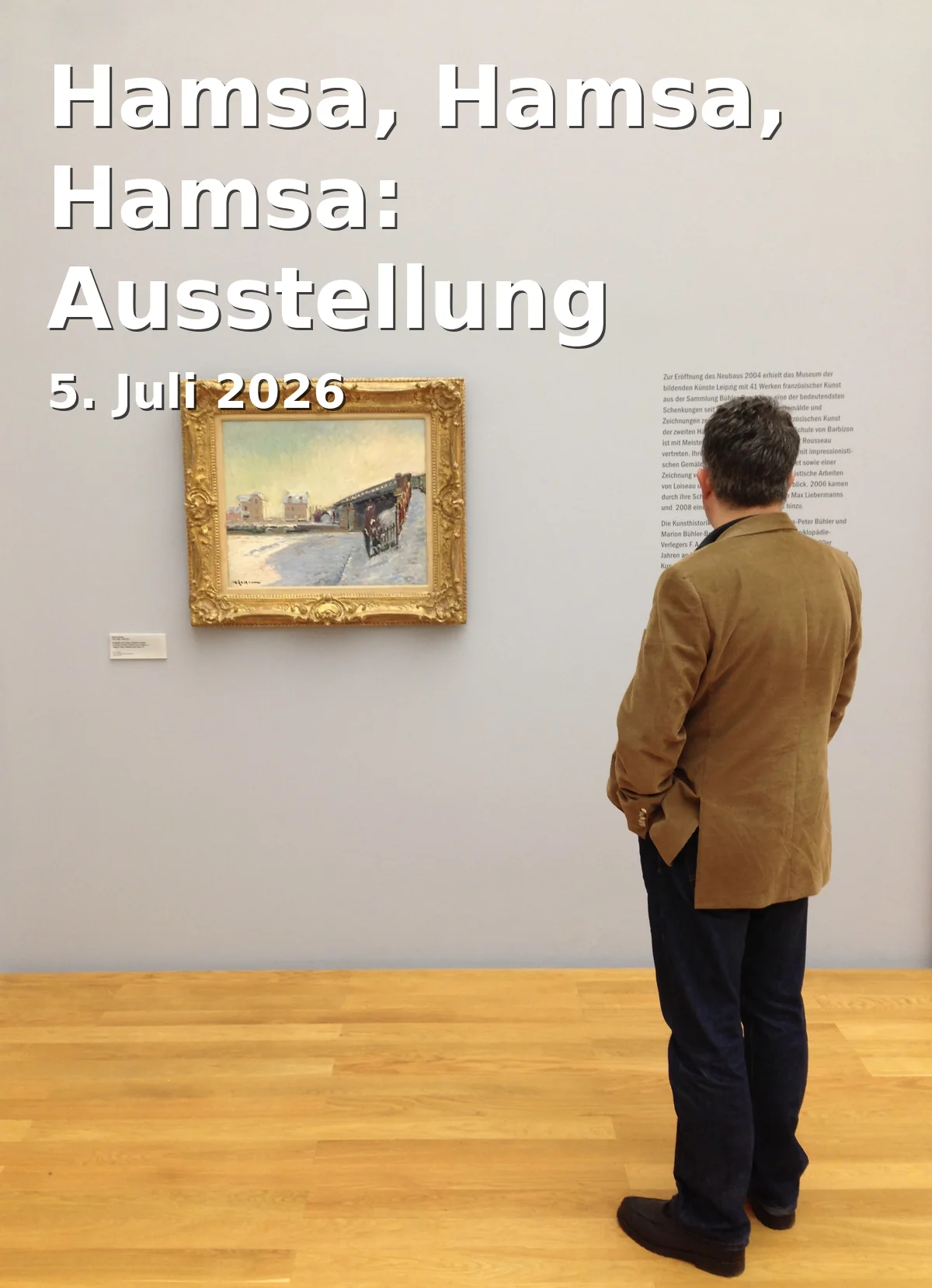
Hamsa, Hamsa, Hamsa: Exhibition of Israeli Artists
Discover the exhibition "Hamsa, Hamsa, Hamsa" in Erfurt and experience the cultural significance of the Hamsa through the eyes of Israeli artists.
Frequently Asked Questions
Reviews
Margaret Larkin
21. September 2025
Amazing that they were able to restore it after hundreds of years of neglect. The building and artifacts inside are very interesting. Glad the Erfurt City government decided to commemorate the history and make it a notable place.
Nina Hartmann
22. December 2025
The feeling when you enter the Old Synagogue is hard to describe—a combination of quiet grandeur and profound historical weight. It’s not just a museum exhibit, but a place that preserves the spirit of times long past. I was especially moved by the stories of the people who lived and prayed there, which adds an extra dimension to the visit.
Daniel O
19. November 2025
I was only able to see it from outside. Amazing that it has stood for so long.
Sergio Arganda Gomez
23. August 2025
Interesting place to visit to learn jewish heritage. A bit pricey, but probably because it is part of UNESCO world heritage.
Muhammad sarosh Ali
24. March 2023
Was able to find the entrance to the museum fast enough. Had a student card, the entry was free in the museum. There were a lot of historical jewelry, coins and similar stuff inside the building. Also on display was a wedding ring from around 600 years ago. There was a restaurant open in the vicinity of the Synagogue. A special looking restaurant with bamboos used for decorating or its construction.